




Squat Proof Leggings That Hold Their Shape
- by Admin

The mirror test is easy. The real test comes when you are at the bottom of a heavy squat, fully focused on your form, not wondering whether your leggings have gone sheer. Squat-proof leggings are the gym essential that let you train with confidence, move without holding back and look polished from warm-up to post-workout plans.
Opacity matters, but the best pair does far more than pass a quick bend check. They should feel supportive without digging in, stay put through every rep and flatter your shape without asking for constant adjustment. That combination is what turns leggings from an outfit basic into a piece you reach for on every leg day.
What makes squat-proof leggings different?
Squat-proof is often used as shorthand for leggings that remain opaque when the fabric is stretched. It is an essential starting point, particularly with pale shades, bright colours and figure-hugging fits. But opacity is only one part of performance.
A truly dependable pair combines dense, quality fabric with enough stretch to move freely. When material is too thin, it can become translucent under tension. When it is overly stiff, it may pull across the hips and thighs, distort when you squat or feel restrictive during lunges. The sweet spot is a smooth, substantial fabric with four-way stretch and excellent recovery, so it stretches with your body then returns to shape afterwards.
Construction has a role too. A well-designed gusset gives you room to move and helps prevent pulling through the inner thigh. Flat, secure seams reduce chafing, while a considered waistband keeps the fit smooth and supported. These details may sound small, but they are the difference between leggings that feel effortless and leggings that distract you halfway through a session.
The squat test is about more than transparency
If you are checking a new pair at home, try them on in natural light rather than relying on a dim changing room. Wear the underwear you would normally train in, then squat, lunge and bend forward. Look for any see-through areas around the seat and upper thighs, but pay attention to how the waistband behaves as well.
Does it roll at the front? Does it slide down when you lower into a squat? Is the fabric pulling into uncomfortable lines across the hips? A pair can be opaque and still fail the workout test if it shifts every time you move.
It is also worth checking the leggings across a few movements. A deep squat creates one kind of stretch; Romanian deadlifts, step-ups and Pilates positions create others. Your activewear should work with your training style, whether that means lifting, running, yoga or a full day of errands after the gym.
Fabric is where confidence starts
Premium squat-proof leggings usually feel soft against the skin while offering enough density to provide coverage. Fabric weight matters, but heavier is not automatically better. Very thick fabric can feel warm and compressive, which may be ideal for winter walks or weight training but less comfortable for hot studios and high-intensity sessions.
Supplex-style performance fabrics are popular for good reason. They offer a cotton-soft hand feel with the stretch, durability and moisture management expected from technical activewear. The result is a sleek, sculpting finish that looks elevated beyond the gym floor.
A high elastane content supports flexibility and recovery. Recovery is particularly important: it is what helps leggings retain their shape instead of becoming baggy at the knees or loose around the waist after a few wears. When the fabric springs back, the fit stays flattering and the coverage remains reliable.
There is a trade-off with ultra-soft, brushed finishes. They can feel gorgeous for low-impact movement and lounging, but some are more prone to pilling when exposed to rough benches, Velcro or repeated friction. If you train hard with barbells, machines and floor work, choose a durable finish that can keep pace.
Dark shades are not the only safe choice
Black leggings are a classic for a reason, but confident training style should not stop there. Rich neutrals, deep jewel tones and lighter seasonal colours can all be squat-proof when the fabric and fit are right. Do not assume a pale pair will be sheer, or that black automatically guarantees coverage. Test the construction, not just the colour.
Prints can disguise minor fabric tension, while a smooth solid colour puts quality front and centre. Both can look exceptional. The choice comes down to your personal style and how you want your activewear wardrobe to work together.
Find the fit that supports your shape
Sizing down for extra compression is a common mistake. Leggings that are too small are more likely to overstretch, turn sheer and dig into the waist. They can also make movement feel limited, particularly during deep squats and hip-focused training.
Your best fit should feel held, not squeezed. The waistband should sit comfortably against your torso without rolling or pinching. Through the legs and seat, the fabric should lie smooth, with no obvious whitening or strain when you move. If you find yourself pulling the waistband up repeatedly, try your usual size first and consider whether the rise suits your body shape.
High-waisted leggings remain a favourite because they offer a secure, streamlined feel and pair beautifully with a sports bra, cropped top or oversized layer. They can create a flattering, tummy-smoothing silhouette, but the waistband needs the right balance of compression and flexibility. Too tight, and it may roll. Too loose, and it loses its supportive effect.
Seam placement matters for shape too. Contoured seams can enhance the natural curve of the glutes, while a thoughtful back yoke creates a lifted, sculpted look. These features should complement your body, never force you into an uncomfortable fit.
Make your leggings last longer
Even the best-fitting leggings need the right care to stay squat-proof. Wash them inside out on a cool cycle with similar colours, using a gentle detergent. Fabric softener is best avoided because it can coat technical fibres and affect their stretch and moisture-wicking properties over time.
Skip high heat where possible. Tumble drying can weaken elastane and gradually reduce recovery, while air drying helps preserve the fabric's shape and feel. Keep your leggings away from rough surfaces when you can, and avoid washing them with towels, zips or anything likely to snag the finish.
A little care protects more than the material. It protects the confidence you felt when you first put them on.
Style them beyond the squat rack
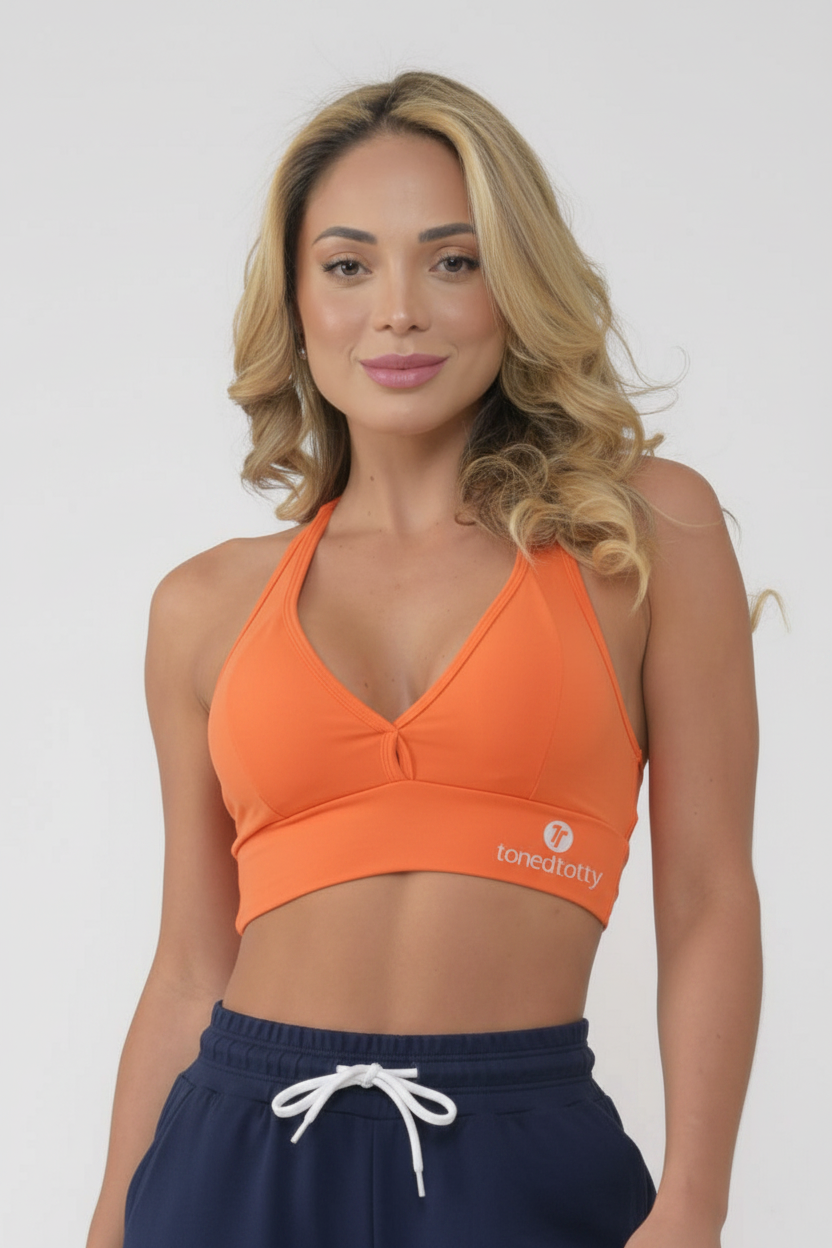
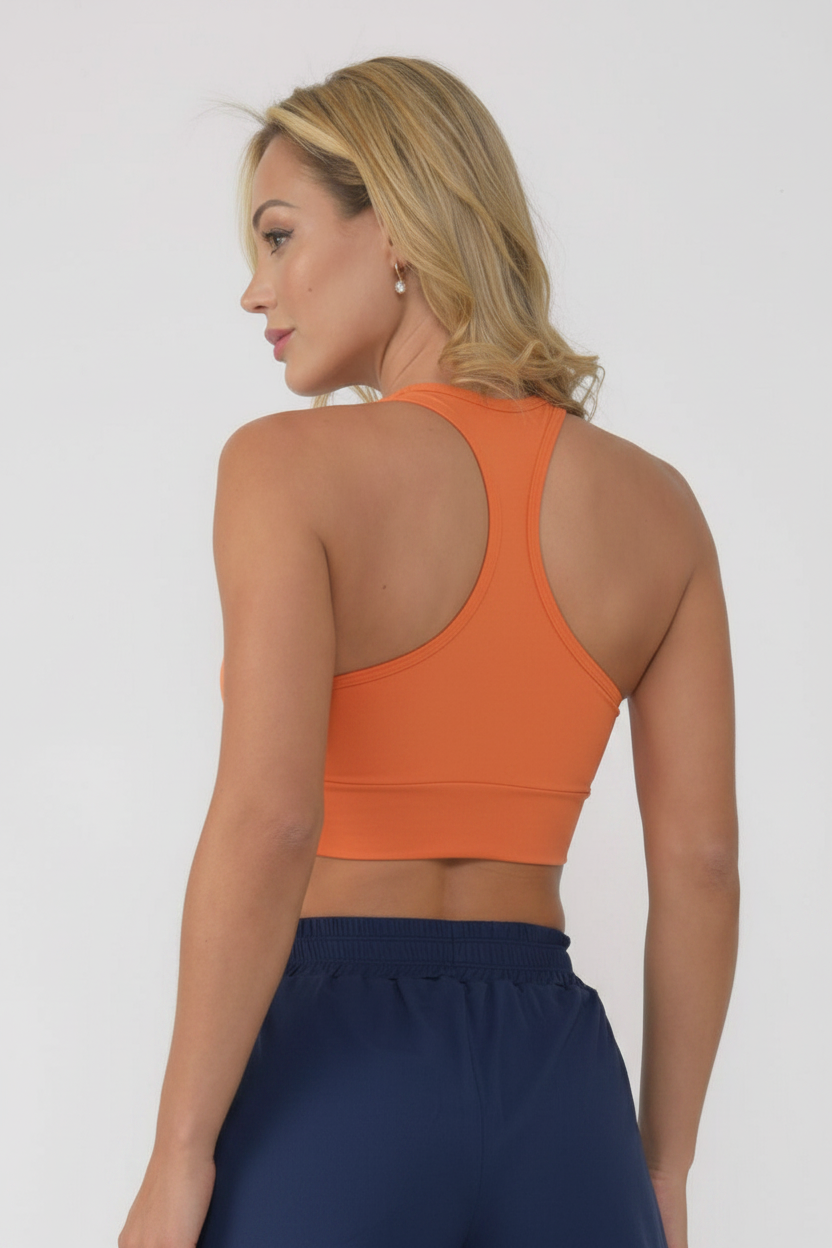
The beauty of a premium pair is its versatility. Squat-proof leggings can handle a lower-body session, then look just as considered with a fitted jacket, clean trainers and a longline layer for coffee or the school run. Match a sculpting high-waisted pair with a coordinating sports bra for a sleek set, or contrast them with an oversized sweatshirt for off-duty ease.
For training, choose outfits that let you focus on movement. A supportive bra, breathable top and leggings that do not require a second thought are a powerful combination. For everyday wear, lean into proportion: a cropped jacket highlights a high waist, while an oversized shirt gives a more relaxed street-style feel.
At Toned Totty, the goal is never simply to cover up. It is to create activewear that makes you feel strong, sculpted and ready to be seen.
The right pair will not make your final set easier, but it will remove one thing from your mind. Choose leggings that stay opaque, hold their shape and make every squat feel like exactly what it is: a show of strength.


