




Guide to Anti Chafe Activewear for Every Workout
- by Admin

That distracting sting on an inner thigh, under a sports bra band or beneath a waistband can change the whole mood of a workout. This guide to anti chafe activewear is for women who expect more from their gym wardrobe: flattering silhouettes, confidence-boosting support and fabrics that feel as good at the final rep as they did at the first.
Chafing is not a sign that you have chosen the wrong sport, moved your body the wrong way or need to cover up. It is friction, usually made worse by heat, sweat, movement and activewear that shifts, pinches or rubs in the wrong place. The right pieces minimise those pressure points without asking you to compromise on sculpting fit or standout style.
Why activewear chafes in the first place
Skin-on-skin friction is one cause, especially around the thighs during running, walking or high-rep lower-body sessions. But fabric-on-skin friction is just as common. A rough seam, a loose bra band, shorts that ride up, or leggings that need constant pulling into place can all create rubbing.
Moisture raises the stakes. Once sweat sits against the skin, fabric can drag rather than glide. That is why a soft pair of leggings can feel perfect for a coffee run yet become uncomfortable halfway through a humid gym session or long outdoor run.
Fit matters too, but tighter is not automatically better. Compression should feel supportive and sculpting, never restrictive. If waistbands dig, leg openings leave deep marks or seams strain when you squat, the garment is likely too small. If shorts roll, bras move and leggings slip, it may be too large or simply cut for a different body shape.
Guide to anti chafe activewear: start with fabric
The fabric against your skin does most of the work. Look for smooth, technical materials with enough stretch to move in every direction, then recover their shape. Premium performance fabrics such as Supplex offer a soft, cotton-like hand feel with the stretch, durability and quick-drying qualities needed for training. That combination matters when you want your leggings to look polished but still handle a sweaty session.
A slightly brushed fabric can feel beautifully soft for Pilates, strength training and everyday athleisure. For running, HIIT or hot-weather workouts, prioritise a lighter, sweat-wicking finish that does not stay damp for long. There is a trade-off: ultra-light fabrics may feel cooler, while more substantial sculpting fabrics often provide the opaque, held-in fit many women prefer. The best choice depends on how you train and how much coverage you want.
Avoid relying on loose cotton for intense exercise. It is comfortable at first, but it can hold moisture and become heavy, increasing friction where you least want it. For low-impact days, it has a place. For a long run or a full-on leg day, technical stretch fabric is the smarter move.
Choose a fit that stays put
Anti-chafe activewear should move with your body, not require a mid-workout adjustment routine. A high, secure waistband is a strong starting point. It should sit smoothly against the torso without folding over when you bend, twist or sit on a bike. A flattering tummy-flattening finish is a bonus, but stability is the real anti-chafe feature.
For leggings, check the gusset and inner-thigh construction. A well-designed gusset gives you freedom through squats, lunges and strides while reducing the chance of seams rubbing in a high-friction area. Squatproof opacity is equally useful: when you feel covered, you move naturally instead of repeatedly tugging fabric into place.
Shorts deserve extra attention. Very short styles can be a fashion favourite for studio training, but they may ride up during running or walking if your thighs touch. A longer inseam creates a protective fabric barrier and often works better for outdoor runs, incline walks and cycling. That does not mean every woman needs biker shorts. Try different lengths during the movement you actually do, rather than judging fit only in the changing room mirror.
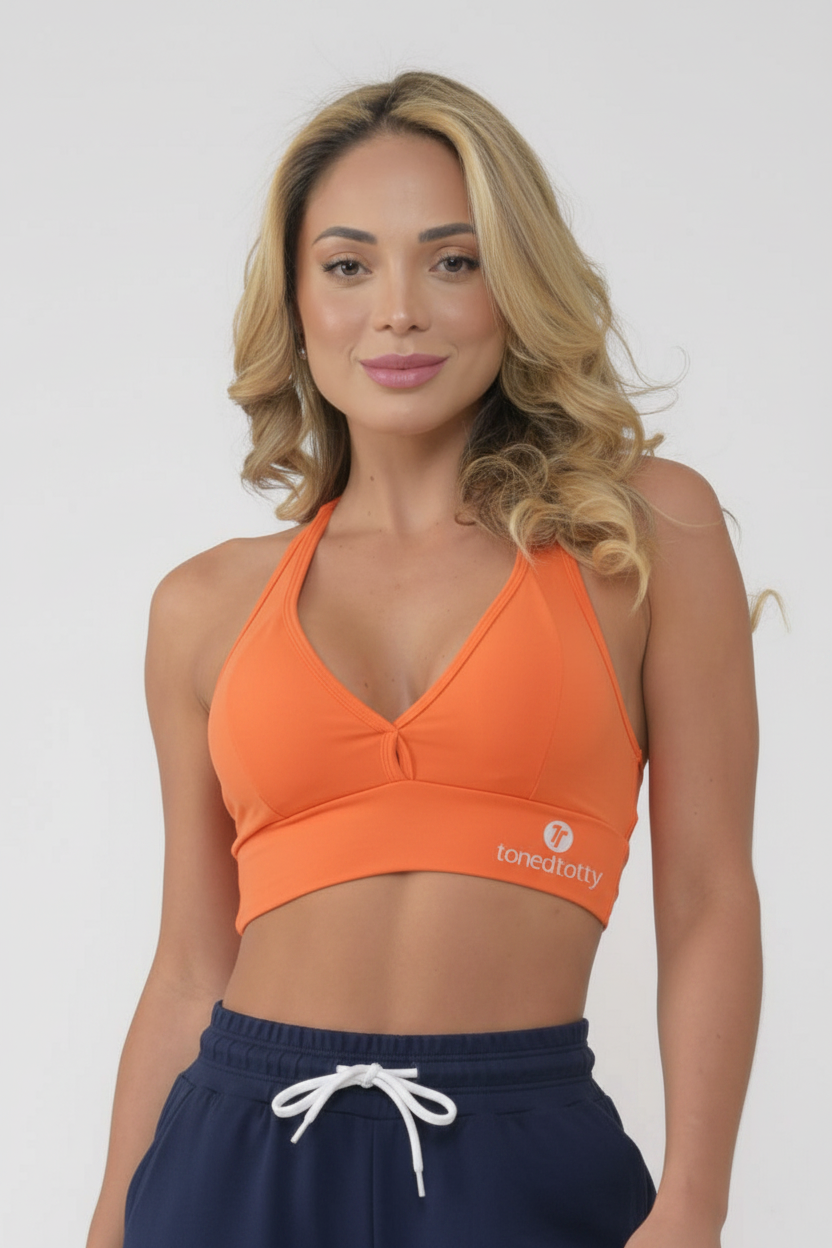
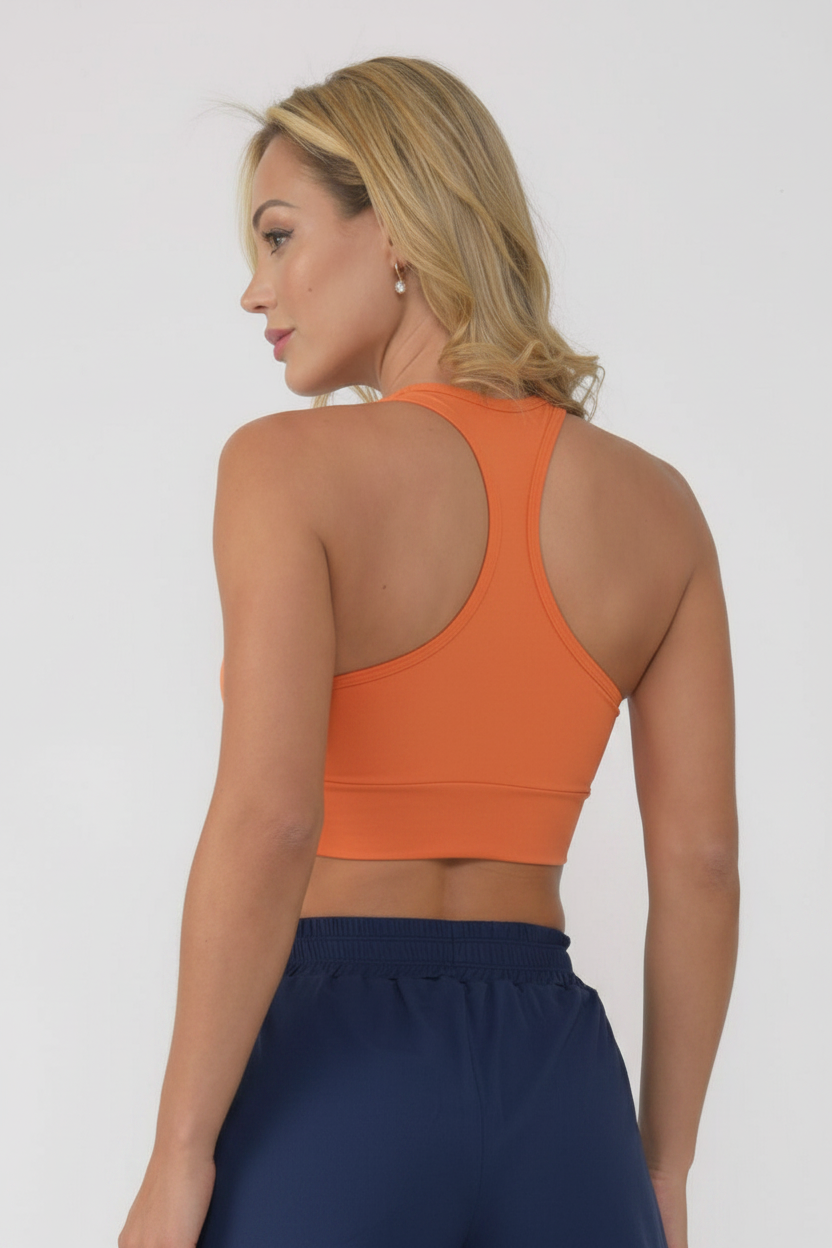
Your sports bra should feel secure around the ribcage, with straps that stay in place without biting. Under-bust rubbing often appears when a band is too loose and moves with every jump, or too tight and presses into skin. A smooth, wide underband and soft finishing around the armholes are details worth looking for, particularly for high-impact training.
Seams and details make a bigger difference than logos
The most beautiful activewear can still irritate if the construction is off. Seek out flat or carefully positioned seams in high-contact zones, including the inner thighs, underarms and beneath the bust. Seamless pieces can be a great option for low- to medium-impact movement, though seamless does not always mean chafe-proof. The fit and yarn finish still need to feel smooth on your skin.
Pay attention to labels, zips and decorative details too. A jacket zip can rub at the chin on a run, while a stiff internal label may irritate during a long session. These are small things until you have been moving for an hour.
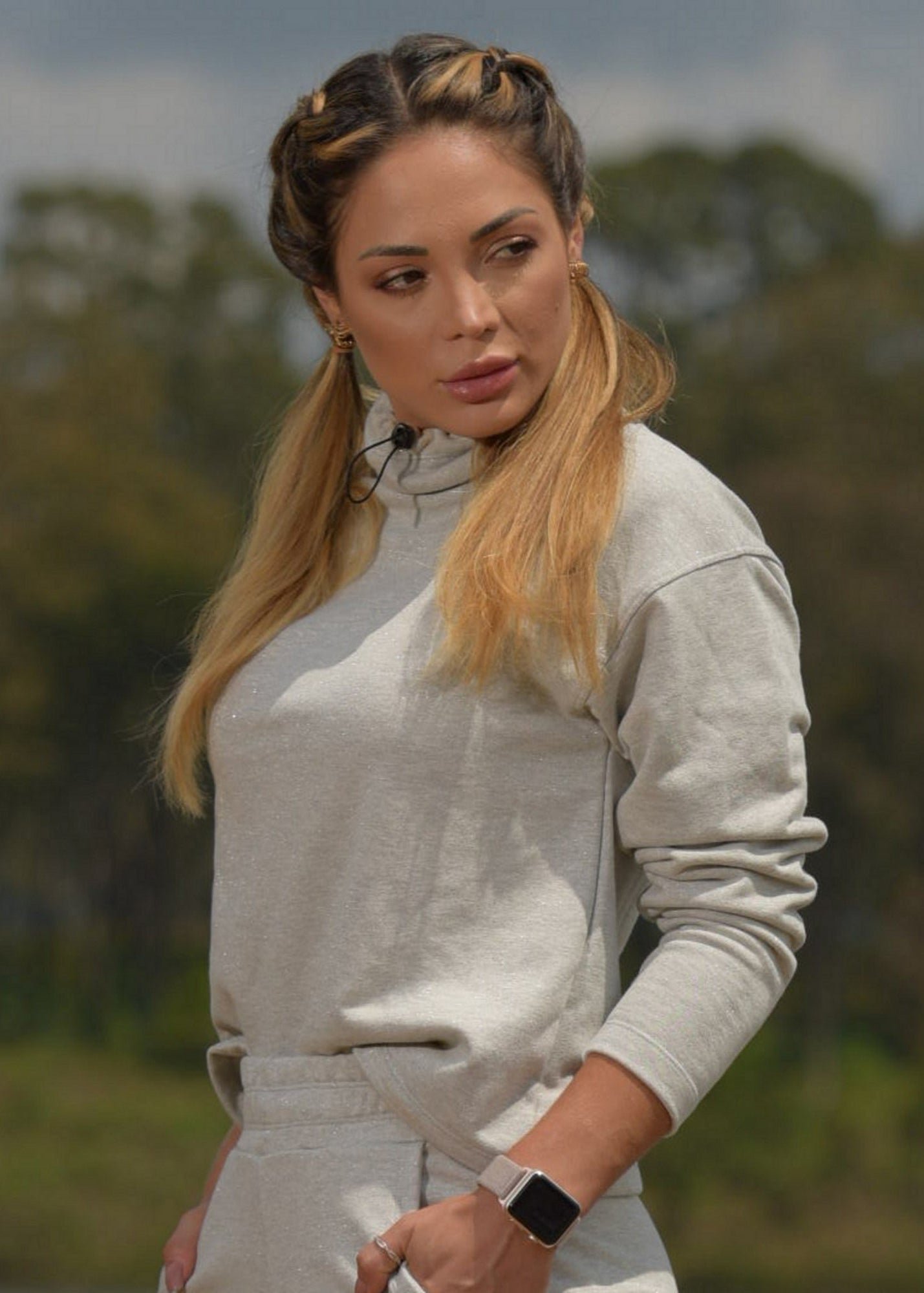
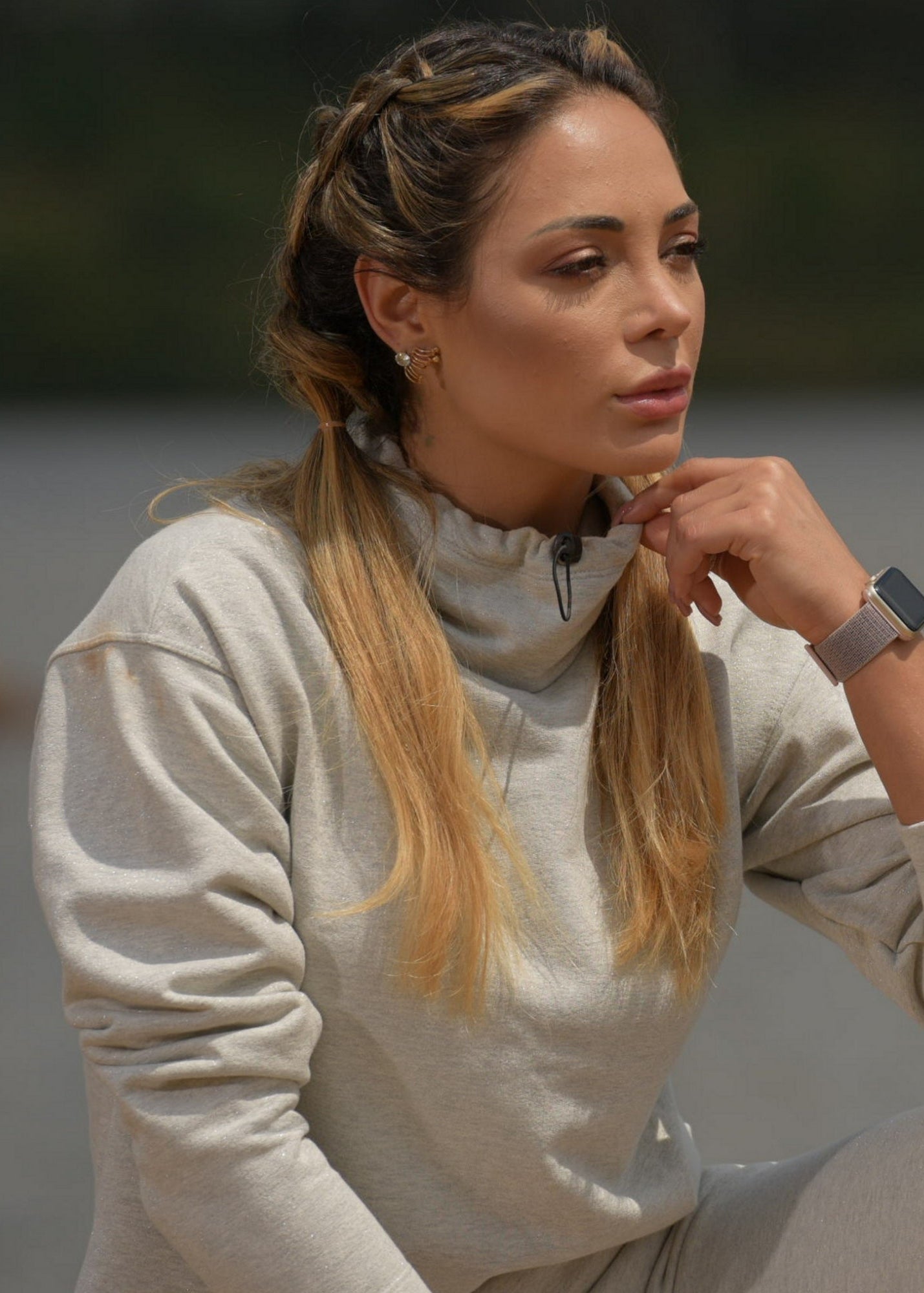
Style does not have to be sacrificed for sensible construction. A sculpting legging with clean contouring, a sleek longline bra and a fitted jacket can give you that put-together, from-the-gym-to-the-street look while keeping the fit focused on performance. Toned Totty pieces are designed around this balance: body-enhancing shapes, premium feel and workout-ready confidence.
Match your kit to the workout
One outfit rarely performs perfectly for every activity. Yoga and Pilates usually call for buttery-soft fabric, flexible stretch and minimal bulk, especially if you spend time lying on a mat. Choose leggings or flares with a waistband that stays comfortable through deep folds and twists.
For strength training, go for opaque, squatproof leggings or shorts with a stable high waist. You need fabric that will not become see-through under tension, plus enough recovery to hold its shape after repeated sets. If you are doing deadlifts, hip thrusts or floor work, avoid fussy seams and hardware across the areas meeting the bench or mat.
Running and HIIT demand the most from anti-chafe activewear. Secure sports bras, longer shorts or full-length leggings, and sweat-managing fabrics are the priority. Test a new outfit on a shorter run before wearing it for race day or a long-distance session. Even excellent fit can feel different once sweat, pace and repetition enter the picture.
For everyday wear, comfort still counts. Leggings that slide down while you are travelling, doing errands or walking the dog can create friction over time. The luxury is in a fit that looks snatched, feels soft and stays exactly where it should from morning plans to evening wind-down.
Get the size right, then test it properly
Do not size down simply for a more dramatic sculpted look. Overstretched fabric can become less opaque, put tension on seams and create digging at the waist, thighs and underarms. Follow the size guide, then use movement as your final test. Squat, lunge, raise your arms, jog on the spot and sit down. If a piece rolls, bunches, cuts in or needs readjusting, it is not the right fit for that activity.
New activewear should be washed before its first hard session, using the care instructions on the label. Skip fabric softener where advised, as it can leave a coating that affects moisture management and stretch. Washing inside out on a gentler cycle and letting pieces air dry helps retain their smooth finish, elasticity and shape.
If you are prone to chafing, apply an anti-chafe balm to your usual friction points before a long run, walk or training session. Think of it as extra insurance, not a substitute for activewear that fits well. Stop exercising and let irritated skin recover if it is sore or broken - pushing through can make a minor rub far more uncomfortable.
The right activewear lets you focus on your pace, your form and how powerful you feel, not the waistband you cannot stop fixing. Choose pieces that support every stride and squat, then wear them with the confidence your movement deserves.


