




A Guide to Low Impact Activewear That Performs
- by Admin

A slow-flow Pilates class can still leave you feeling the burn. So can a long walk, a reformer session, a stretch class or an afternoon spent moving between coffee, errands and plans. This guide to low impact activewear is about choosing pieces that support those moments without compromising on shape, comfort or style.
Low impact does not mean low effort, and it definitely does not mean settling for shapeless basics. The right activewear should move with you, stay opaque as you bend and stretch, and give you that instantly-put-together feeling before you have even tied your trainers.
What counts as low impact activewear?
Low impact activewear is designed for movement with less repeated force on the body than activities such as sprinting, HIIT or court sports. Think yoga, Pilates, barre, strength training, walking and recovery-day movement. These workouts may not call for maximum-bounce control or highly technical race-day features, but they still demand a considered fit.
The focus is on flexibility, soft support and freedom to move. You want leggings that stay put through a lunge, a bra that feels secure in a plank, and a layer you can keep on long after your final stretch.
There is a style element too. Low impact sessions often fit naturally into the rest of your day, which makes polished activewear a wardrobe essential rather than something that only appears for an hour at the gym.
Your guide to low impact activewear starts with fabric
Fabric changes everything. A beautifully cut legging can still disappoint if it turns sheer, slips at the waist or feels restrictive once the workout begins. For low impact movement, look for a smooth, soft fabric with four-way stretch and enough density to feel covered from every angle.
Supplex-style performance fabrics are a strong choice when you want a cotton-soft feel with the benefits of activewear. They are designed to feel comfortable against the skin while offering stretch, shape retention and a more polished finish than an ordinary jersey legging. That matters when your workout includes deep squats, hip openers or plenty of time on the mat.
Opacity is non-negotiable. A squatproof construction gives you the confidence to move without second-guessing what is showing through. Dark shades are often a safe option, but a quality fabric and a well-engineered fit matter more than colour alone. Test the piece by bending, squatting and stretching before assuming it will perform.
For slower sessions, avoid fabrics that are overly stiff or aggressively compressive unless that is the feeling you prefer. Firm compression can feel sculpting and supportive, but too much of it may distract from a relaxed yoga practice or a long day of wear. The best choice depends on how you like to feel: gently held, fully sculpted or barely there.
Choose support that suits the session
Sports bras are not one-level-fits-all. A high-impact bra built for running can feel unnecessarily restrictive during Pilates, while a light support crop may not feel secure enough for a strength class. Low impact workouts usually call for light to medium support, with a fit that stays close to the body without digging in.
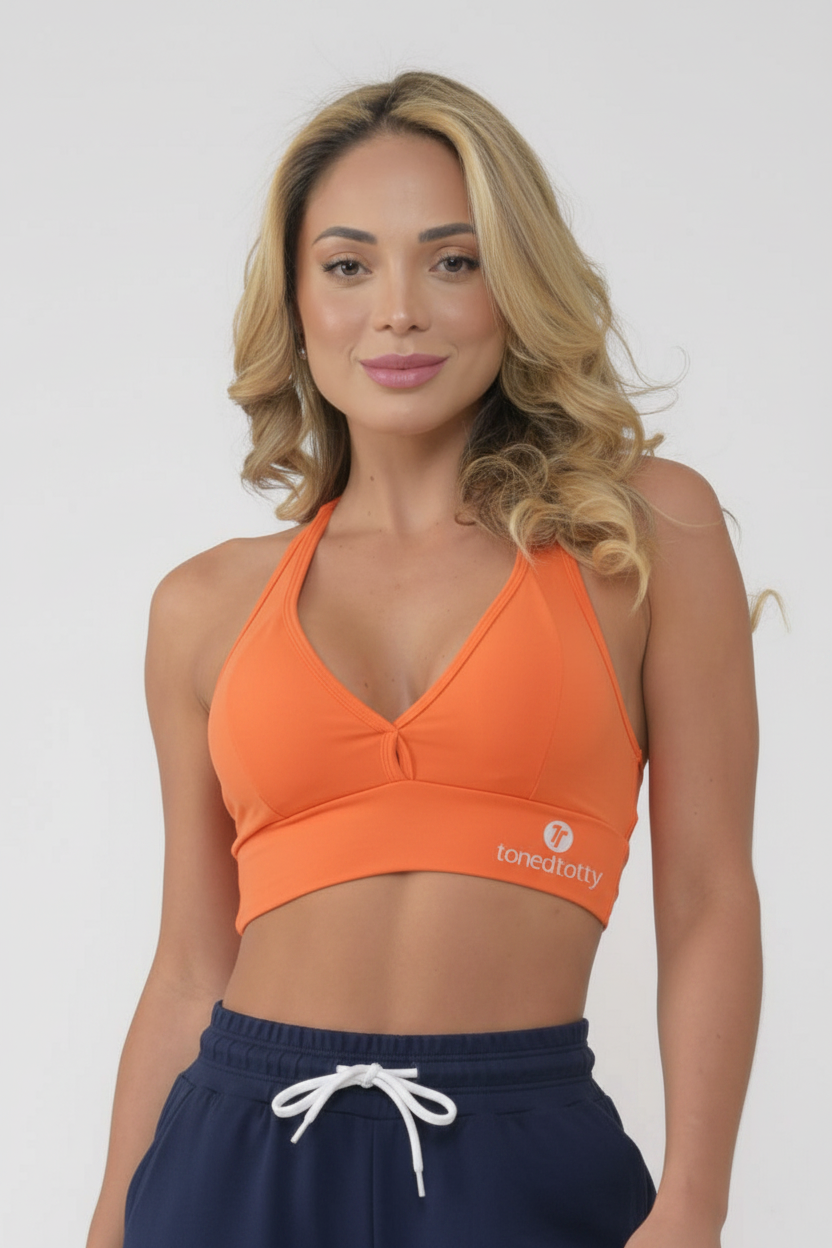
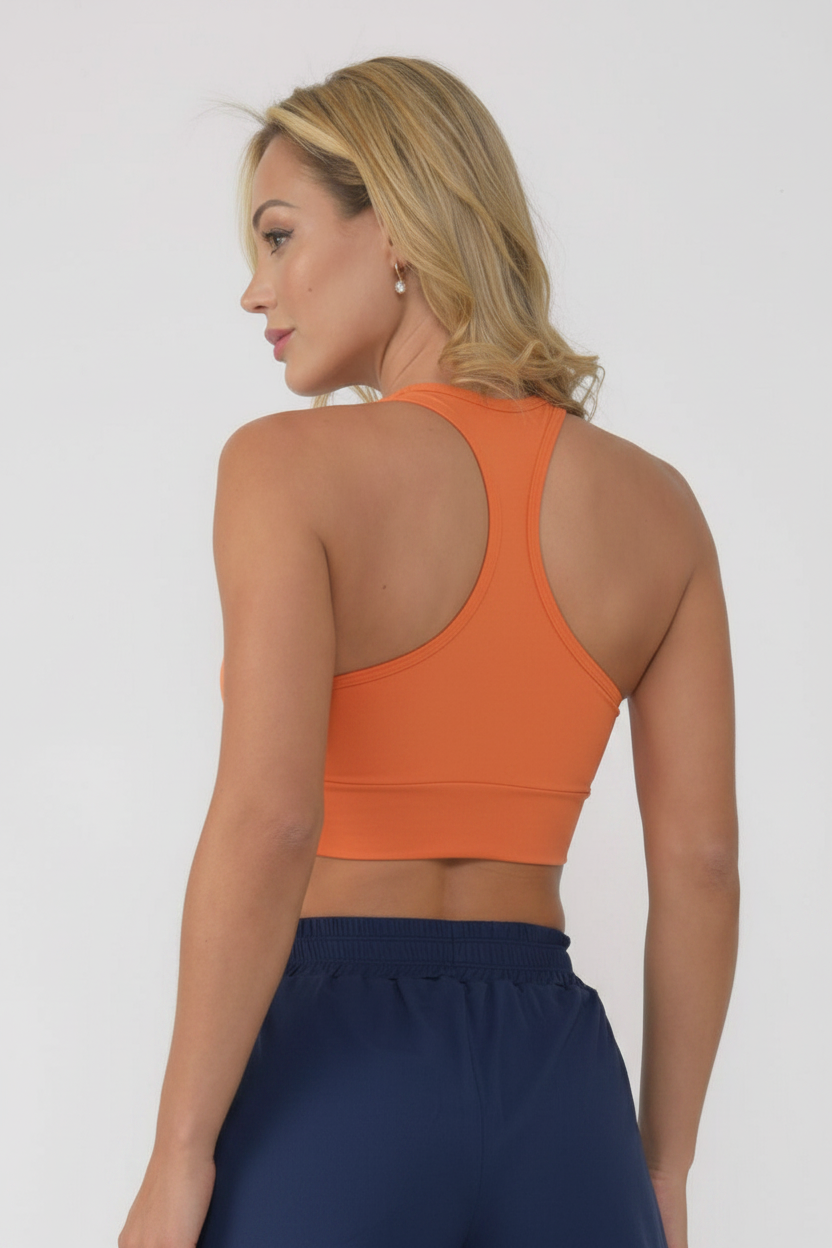
Look for wide underbands, smooth straps and a flattering neckline that works with your favourite layers. Longline styles can give a clean, fashion-led silhouette with high-waisted leggings, while a more traditional sports bra is ideal if you prefer a lighter feel around the waist.
Your body and cup size will influence what support means in practice. If you have a fuller bust, medium support and adjustable straps can make a noticeable difference, even for low impact training. If your session includes a brisk incline walk or bursts of cardio, choose the more supportive option rather than relying on a soft lounge-style bra.
A good test is simple: raise your arms, twist through the torso and hold a plank position. If the band rolls, the straps slip or you feel unsupported, it is not the one.
The legging fit that works harder
For low impact workouts, leggings need to do more than look good in the mirror. They should stay anchored at the waist, feel smooth across the hips and give you full range through the knees and ankles. High-waisted designs are a favourite for a reason: they create a secure, tummy-flattening feel and pair effortlessly with cropped tops, bras and oversized jackets.
Pay attention to the waistband. A wide, supportive waistband is less likely to fold or roll during floor work, while a carefully placed seam can enhance your natural shape without feeling fussy. Sculpting fits and butt-lifting details can bring confidence to your studio uniform, but comfort still comes first. If you are constantly pulling your leggings up, the size, rise or fabric is not right for you.
Length is personal. Full-length leggings offer a sleek, streamlined look and are brilliant for cooler walks or studio-to-street styling. Seven-eighths lengths can feel lighter and are especially useful if full-length styles tend to bunch at your ankles. Flared leggings bring a fashion-forward edge to Pilates and coffee plans, though they are less practical for cycling or any workout involving pedals.
Build outfits that go from studio to street
The beauty of low impact activewear is that it earns its place beyond the workout. Start with a coordinated legging-and-bra set in a colour you genuinely want to wear. Matching sets create an instantly elevated look, while tonal shades allow you to mix pieces without losing that polished finish.
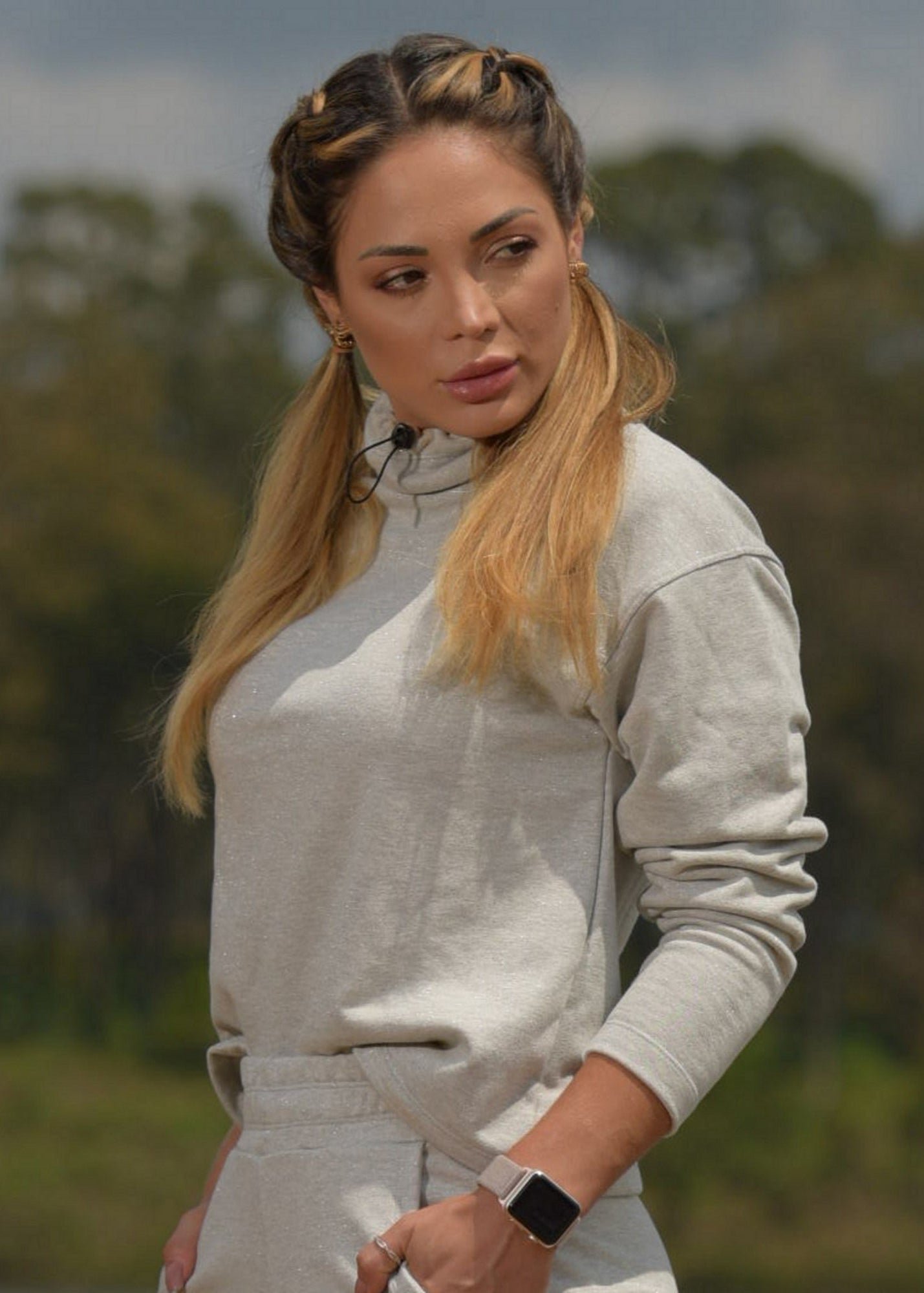
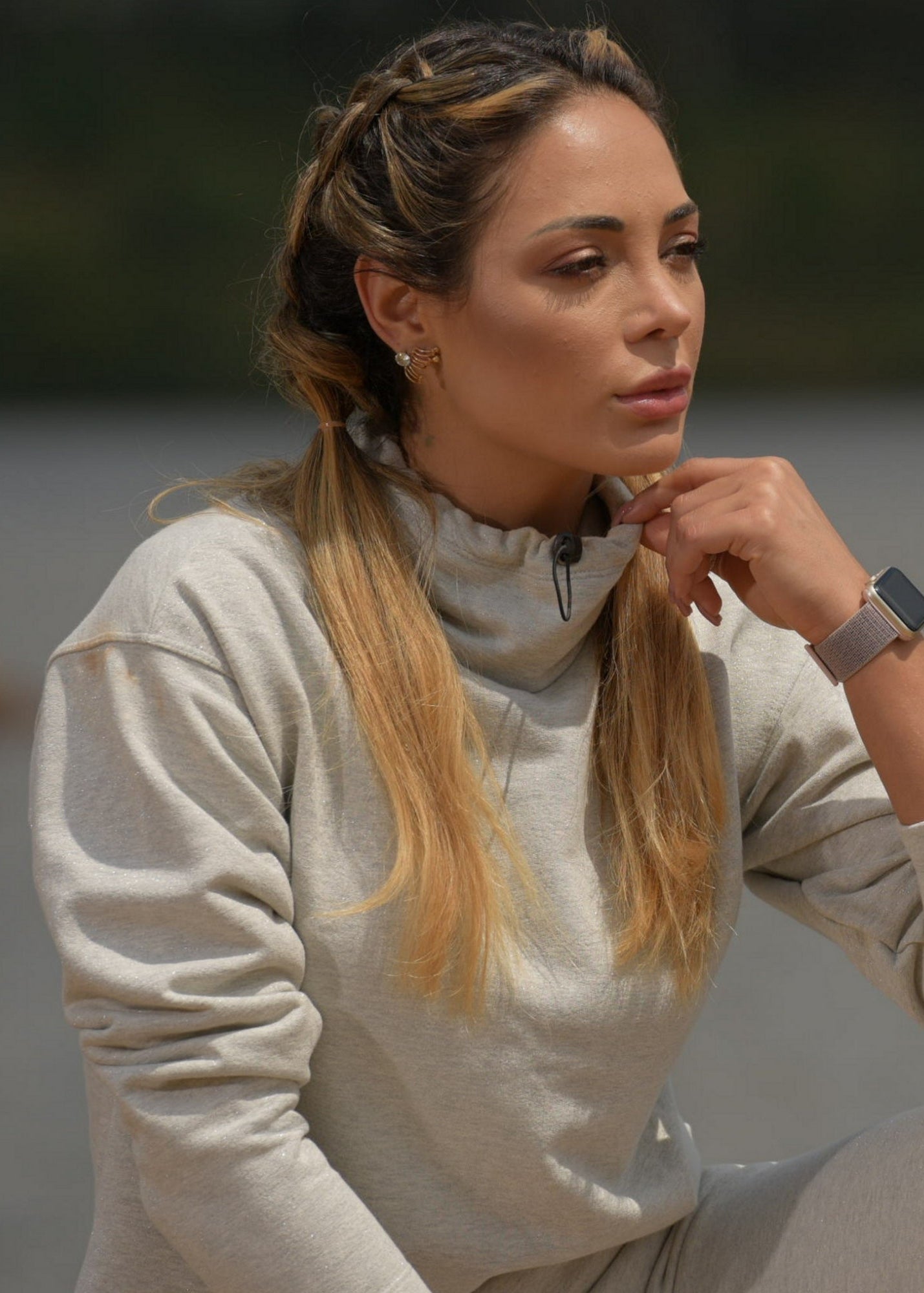
Add a fitted fitness top when you want more coverage, or choose a cropped layer that lets the high waist of your leggings take centre stage. For the journey there and everything after, a zip-up jacket, oversized sweatshirt or lightweight fitted layer keeps the outfit intentional rather than accidental.
This is where a luxury activewear wardrobe really proves its worth. The same sculpting leggings that support a reformer class can work with a clean jacket and trainers for travelling, weekend errands or a casual lunch. Toned Totty pieces are designed with that gym-to-street mindset in mind: confident fits, premium-feel fabrics and silhouettes that do not need changing out of the moment class ends.
How to find your best fit online
Shopping online gives you more choice, but it also means being honest about the fit you enjoy rather than automatically choosing the size on the label. Start with measurements where available, especially waist, hip and bust. If you sit between sizes, think about the fabric and the intended fit.
For leggings with a firm sculpting feel, sizing up may give you more comfort for all-day wear. For a lighter, very stretchy fabric, your usual size may provide the support you want. Do not buy a smaller size in the hope of extra contouring. Overstretched fabric can become less opaque, seams can feel uncomfortable and the waistband may roll down.
When your order arrives, do not judge it only while standing still. Move in it. Squat, stretch, sit, walk around the house and lift your arms overhead. The right activewear should feel like an extension of your body, not something you have to manage.
Care for the pieces you reach for most
Premium activewear lasts longer when it is treated like performance clothing rather than thrown in with everyday laundry. Turn leggings and bras inside out, wash them on a cool cycle and avoid fabric conditioner, which can affect stretch fibres and moisture-management finishes. Let them air dry rather than placing them on a radiator or in a tumble dryer.
It is also worth rotating your most-worn sets. Giving elastic fabrics time to recover between wears helps them retain their fit and keeps your favourite silhouette looking sculpted for longer.
Low impact movement is often where consistency begins: the class you look forward to, the walk that clears your head, the outfit that makes you feel ready to show up. Choose activewear that feels supportive, flattering and unmistakably you, and every stretch, step and post-class plan will feel that little bit more powerful.


