




Activewear Size Guide Women Can Trust
- by Admin
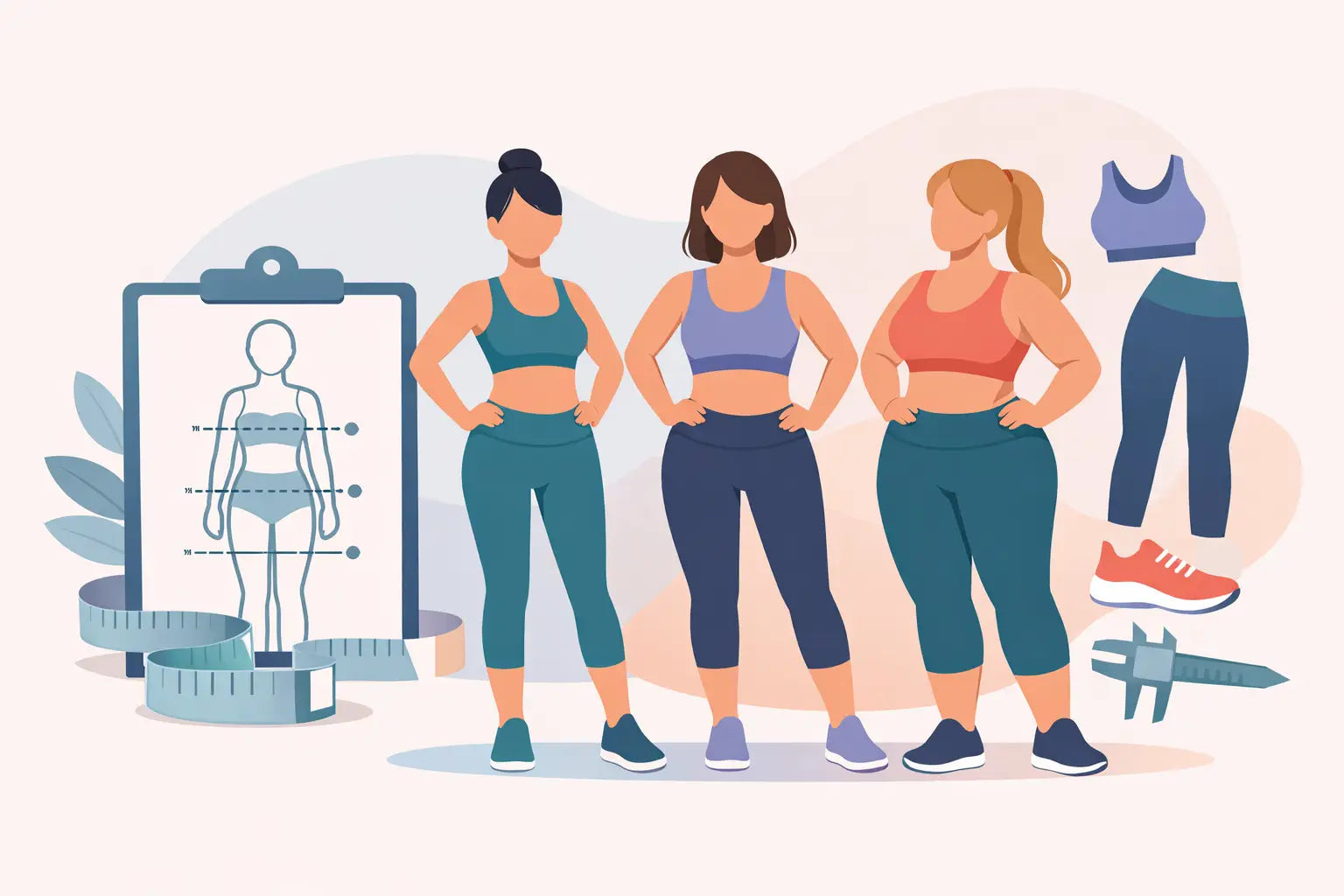
Buying activewear should feel exciting, not like a guessing game. A strong activewear size guide women can actually use starts with one truth - the best fit is not just about numbers. It is about how your leggings sculpt, how your bra supports, how your top sits, and how confident you feel from the gym floor to the coffee run after.
Luxury activewear is designed to work harder than standard basics. Sculpting fabrics, compressive waistbands and body-contouring cuts can all affect how a size feels on the body. That is exactly why sizing in premium gym wear needs a more thoughtful approach. If you want pieces that look polished, feel supportive and move with you, fit comes first.
Why an activewear size guide for women matters
Not all activewear is built the same. A soft lounge set may feel relaxed and forgiving, while high-performance leggings can feel firmer because they are designed to smooth, hold and support. Neither fit is wrong - they are simply made with different outcomes in mind.
That is where shoppers often get caught out. If you choose purely by your usual dress size, you might miss how a fabric is meant to perform. A pair of squatproof leggings with a sculpting finish may feel snug when you first pull them on, but that close fit is often what gives the lifted, flattering look. On the other hand, if they dig at the waistband, turn sheer on the squat or slide during training, the size is not working for you.
A good fit should feel secure, flattering and comfortable enough to move in. It should never leave you constantly adjusting, tugging or second-guessing.
Start with your real measurements, not your guess
If you have not measured yourself in a while, now is the moment. Sizes can vary between brands, and activewear often has more stretch, more hold and more technical fabric than everyday clothing. Measuring gives you a far better starting point than relying on what you wore in jeans last winter.
For leggings and shorts, focus on your waist and hips. Your natural waist is the narrowest part of your torso, while your hips should be measured at the fullest point. If you are between sizes, think about how you want the item to feel. For stronger compression and a sculpted finish, some women prefer the firmer option. If comfort and a more relaxed fit matter more, sizing up can make sense.
For sports bras and fitted tops, your bust measurement matters most, but support level matters too. A bra for low-impact Pilates will not need to fit exactly like one you wear for running or HIIT. If you have a fuller bust, you may prefer more coverage and a little extra room rather than a very tight fashion fit.
How leggings should fit
Leggings are usually the make-or-break piece in any gym wardrobe. When they fit well, they smooth in all the right places, stay put through every session and give that clean, sculpted silhouette. When they do not, you notice every little issue.
A great pair should sit flat at the waist without rolling, gaping or digging in. Through the hips and thighs, they should feel supportive but not restrictive. You want stretch that moves with you, not fabric that strains. If the material goes sheer when you bend or squat, that is often a sign the size is too small or the fabric is being overstretched.
Length matters too. Full-length leggings should sit neatly at the ankle without excess bunching, unless that is the intended look. If you are petite, some full lengths may feel longer on you, while taller women may prefer cuts designed to avoid that cropped effect.
Sculpting leggings can feel firmer on first wear, especially in premium fabrics such as Supplex. That close feel is part of the design. The key is whether they settle comfortably once on. Firm is good. Restrictive is not.
Signs your leggings fit properly
You should be able to squat, lunge and walk without the waistband shifting. The fabric should stay opaque, the seams should lie smooth, and the overall effect should feel sleek rather than strained. If you are constantly pulling them up, the fit is likely too big. If you cannot forget about them once they are on, it is likely too small.
Finding the right sports bra size
Sports bras are where support and confidence meet. The right one should hold you in place, flatter your shape and still feel good after more than ten minutes of wear.
The band should feel secure around your ribcage because that is where most of the support comes from. If it rides up at the back, it is probably too loose. If it digs in so much that it feels harsh or restricts breathing, it is too tight. The bust area should sit smooth against the body without overspill or empty space.
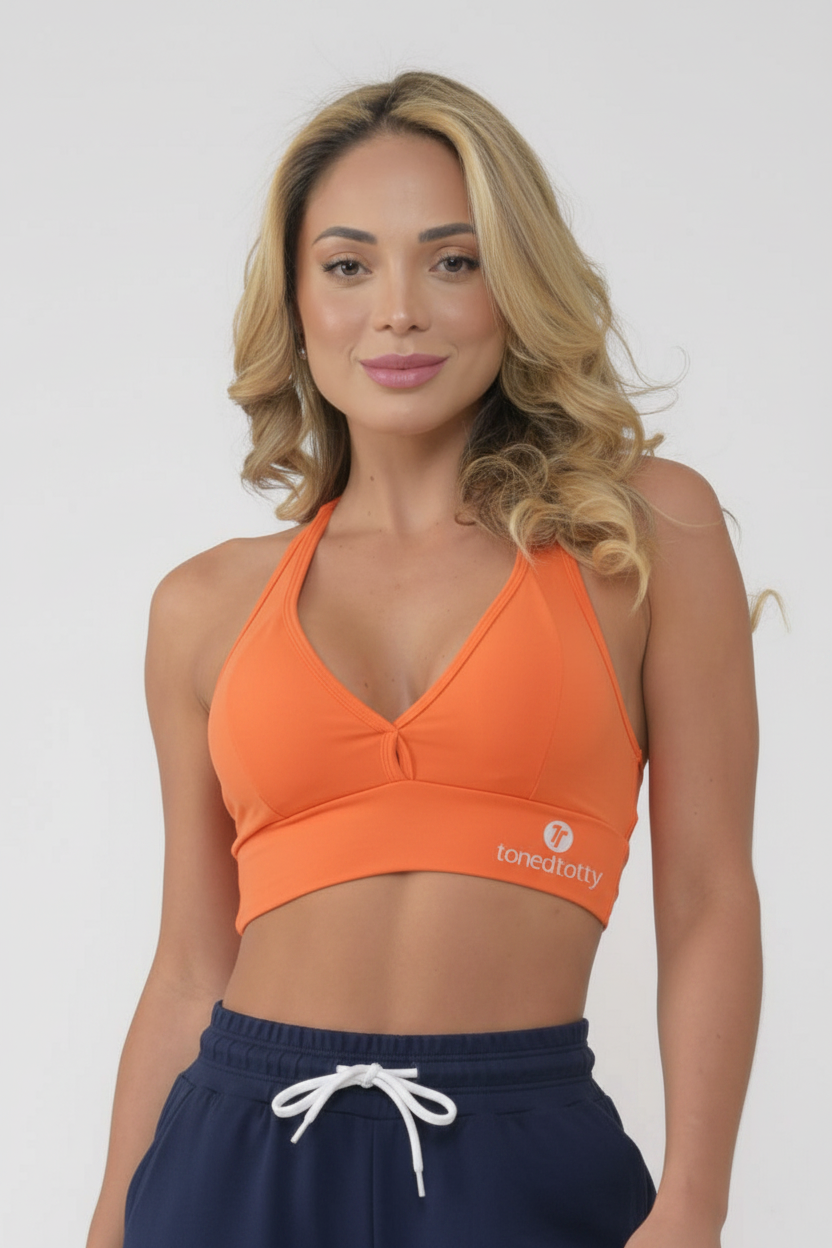
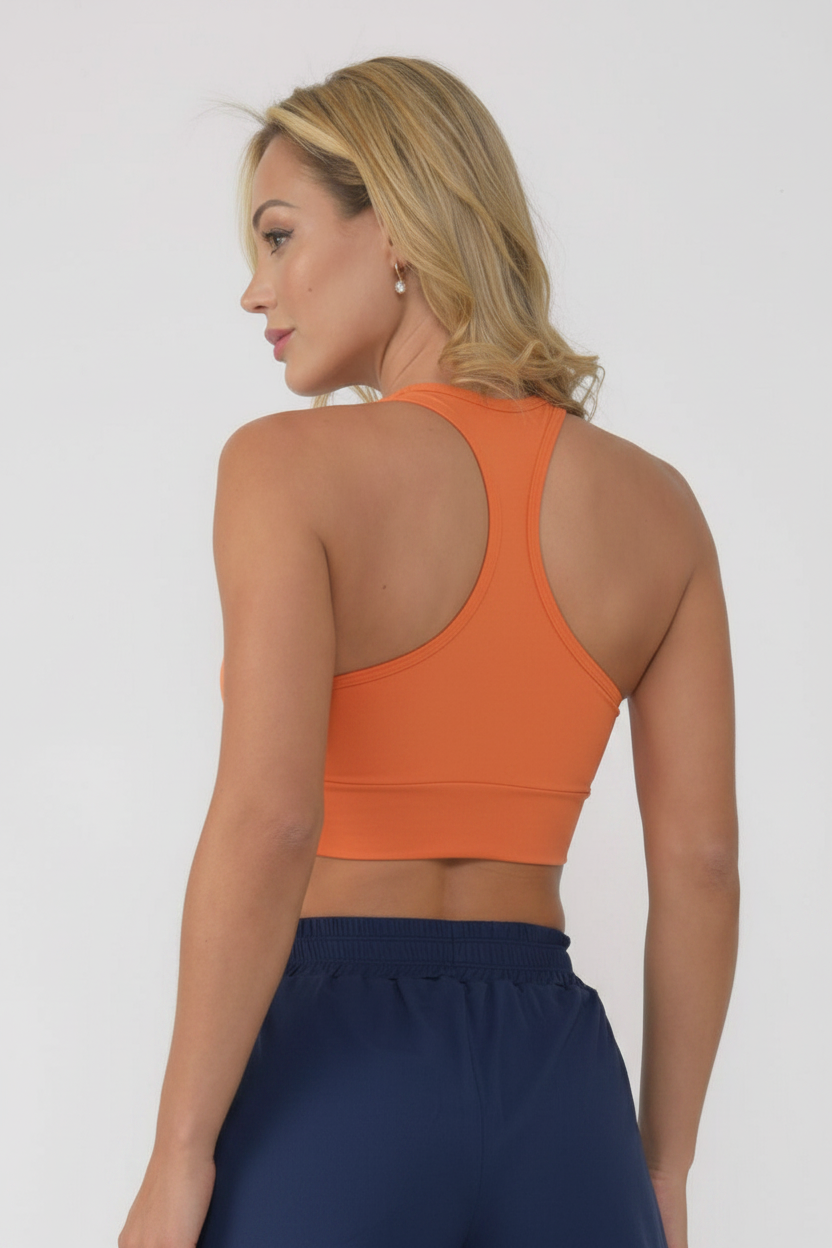
Style also affects fit. Longline bras can offer a more sculpted, fashion-led finish, but they may feel firmer through the torso than a classic bra cut. Removable padding, necklines and strap designs can all change how a size feels. If you are shopping for higher-impact workouts, support should lead the decision. If you are styling it under a jacket for errands or travel, shape and finish may take the front seat.
Tops, jackets and jumpsuits need a different approach
Fitted gym tops should skim the body without clinging too tightly across the bust or shoulders. If a top is designed to be sleek and contouring, a close fit is part of the appeal. But you should still be able to raise your arms, stretch and move comfortably.
Jackets are often worn over bras or fitted tops, so layering matters. If you like a polished second-skin look, stay true to size. If you wear thicker layers underneath or prefer a little more room through the arms, sizing up may feel better.
Jumpsuits are the most style-led category and often the trickiest to size. They need to fit through the bust, waist, hips and torso length all at once. If you are tall, torso length can be the deciding factor. If you are curvier through the hips, a size that works on top may feel tighter below. In these cases, fit is always about your fullest measurement and overall comfort rather than chasing the smallest size possible.
Fabric changes everything
This is the part many shoppers overlook. Fabric composition has a huge impact on how activewear fits and performs. Soft brushed materials may feel more forgiving, while compressive technical fabrics are designed to contour closely and support movement.
Supplex is a perfect example of a premium fabric that offers softness with performance. It can feel smooth, sculpting and body-enhancing without looking stiff. That said, even beautiful stretch fabrics have limits. If a piece feels overextended, loses opacity or cuts into the body, the issue is not the fabric - it is the fit.
That is why the best size is rarely the smallest one you can squeeze into. The best size is the one that lets the fabric do its job.
Between sizes? Here is how to decide
If you are between sizes, think first about the product category and how you plan to wear it. For compressive leggings, many women stay with the smaller option if they want a held-in finish, provided the fabric remains squatproof and comfortable. For sports bras, especially if you have a fuller bust, the larger size can often give a better balance of support and comfort.
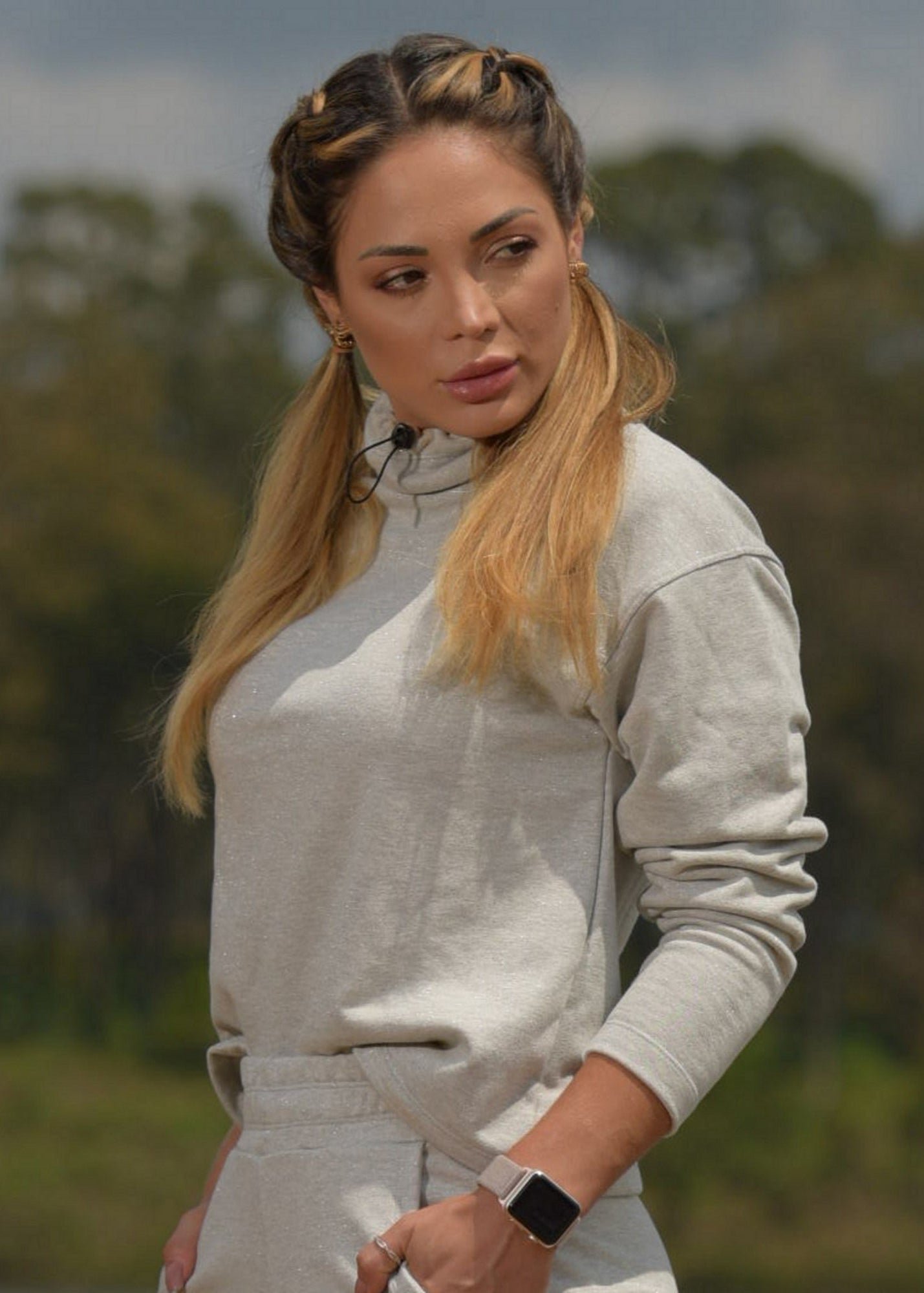
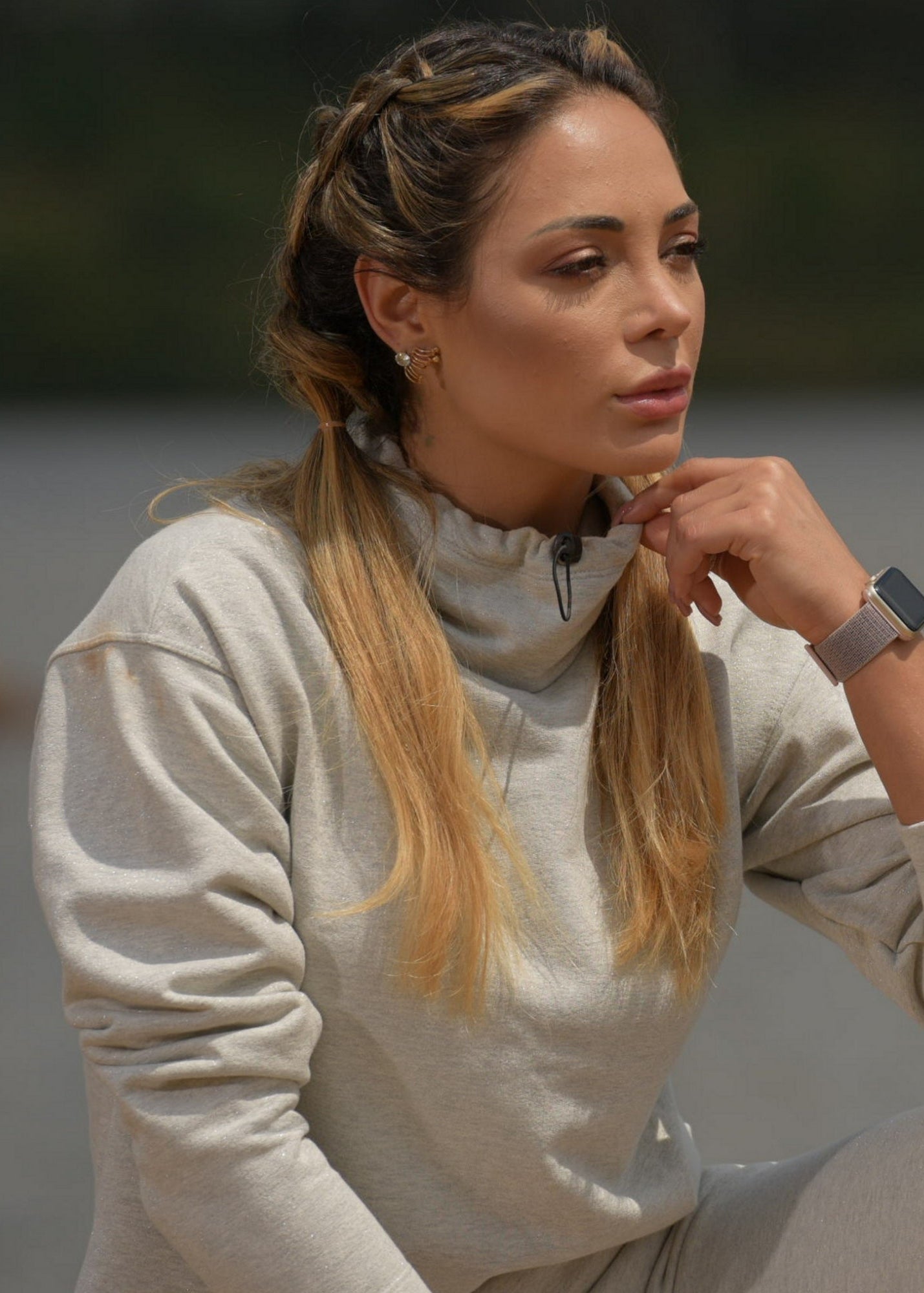
For lounge-inspired athleisure pieces, oversized layers and everyday tops, fit preference plays a bigger role. Some women want that contouring, dressed-up gym look. Others want a softer, off-duty feel. Both are valid. The right size depends on the result you want.
If one area of your body consistently puts you in a different size bracket, shop for that area first. Hips and glutes often guide legging size. Bust often guides bra and fitted top size. This tends to give a better fit than forcing every category into a single number.
The activewear size guide women should actually follow
The most useful activewear size guide women can follow is simple: measure properly, read the fit of the garment, and think about fabric, support and styling purpose together. A running bra, a sculpting legging and a relaxed athleisure jacket are not meant to fit the same way, even if they all belong in the same wardrobe.
This is especially true when shopping premium fashion-led gym wear. Pieces that are built to lift, smooth and flatter will often feel more tailored than basic sportswear. That is part of their appeal. Brands such as Toned Totty are designed around that sculpted, confident look - where performance and style work together, not separately.
A size that supports your movement, flatters your shape and makes you feel pulled together is the one worth keeping. Not the one on the label. Not the one you wish you were. The one that makes you stand taller the second you put it on.
The best activewear should feel like it was made for your life - your workouts, your shape, your style and everything you do after the session ends.


