




Activewear Fabric Innovations That Feel Better
- by Admin

Your leggings should not become the distraction halfway through a squat set. They should hold their shape, stay opaque, move with you and still look polished when your workout turns into coffee, errands or a catch-up with the girls. That is where activewear fabric innovations earn their place: not as technical buzzwords, but as the difference between gym kit you tolerate and pieces you genuinely want to wear.
The best performance fabrics now work harder on every level. They support and sculpt without feeling restrictive, manage heat without leaving you cold, and deliver a smooth, luxurious finish that looks as good beyond the studio as it does under the lights of the gym. Where sport meets fashion, fabric is doing the heavy lifting.
Activewear fabric innovations start with better stretch
Stretch is not simply about how far a fabric can pull. For elevated activewear, the real test is recovery. A pair of leggings can feel beautifully flexible in the fitting room, then start to sag at the knees, loosen at the waistband or lose its sleek silhouette after a few wears. Premium stretch fibres are designed to bounce back, helping the garment retain its sculpting fit movement after movement.
This is particularly important for leggings, cycling shorts and fitted jumpsuits. You want freedom for deep lunges, Pilates stretches and strength sessions, but you also want the fabric to sit close to the body rather than bunching or sliding. The right blend creates that second-skin feeling while giving your shape a clean, confident outline.
Supplex-style performance fabrics are a standout choice here. They offer the soft, cotton-like hand feel many women love, paired with the durability and stretch expected from technical gymwear. The result is a fabric that feels less synthetic against the skin, yet is ready for the demands of an active routine.
There is a trade-off worth knowing. Ultra-lightweight fabrics can feel barely there, which is ideal for hot yoga or summer runs, but they may offer less sculpting power. A denser fabric generally gives greater coverage, compression and smoothing support. Neither is automatically better. It depends on whether you want a featherlight layer, a contouring fit, or a wardrobe that does both.
Squatproof coverage is a fabric standard, not a bonus
Opacity is one of the most practical innovations in women’s activewear. No one should have to check their reflection before every squat, deadlift or downward dog. A squatproof fabric is engineered through yarn quality, knit construction, fabric weight and stretch recovery so it stays covered when it is under pressure.
It is not just about choosing a thicker material. Heavy fabric can feel hot, stiff or bulky, especially during high-intensity training. The smarter approach is a balanced construction: enough density to stay opaque, enough stretch to move freely and enough recovery to avoid becoming sheer when the fabric expands.
Colour also matters. Pale shades, bright colours and high-shine finishes can reveal more than darker matte fabrics, especially if the garment is stretched beyond its intended fit. That does not mean you need to avoid statement colour. It means well-made activewear needs considered fabric selection and a fit that works with your body, not against it.
For everyday confidence, look for leggings and shorts with a smooth, supportive feel rather than a flimsy one. When fabric feels substantial without being restrictive, you can focus on your form, your pace and your power.
Compression has become more considered
Old-school compression could feel like a compromise: firm but uncomfortable, supportive but difficult to pull on, sleek but not always flattering. Modern fabric development is changing that. Today’s better compression fabrics are built to support key areas while allowing flexibility where you need it most.
A high-rise waistband with a supportive knit can gently smooth the midsection and help reduce rolling or slipping. In leggings, strategic stretch and contouring can create a lifted appearance through the seat without relying on uncomfortable seams or excessively tight panels. The goal is not to squeeze you into a shape. It is to enhance the shape that is already yours.
This is why fit and fabric have to be designed together. Even a beautiful technical fabric will not perform if the waistband is too narrow, the rise is wrong or the seams are poorly placed. Fashion-led activewear should make you feel held, not held back.
Moisture management should still feel luxurious
Sweat-wicking is a familiar activewear claim, but its quality can vary. Technical fibres move moisture away from the skin towards the outer surface of the fabric, where it can evaporate more quickly. In real terms, that can mean feeling less sticky during a spin class, a run or a warm gym session.
However, moisture management should not leave fabric feeling papery, rough or overly sporty. Luxury activewear is expected to feel soft enough for a full day of wear. The best fabrics balance breathable performance with a smooth finish, so your sports bra or fitness top feels comfortable during training and still looks refined beneath a jacket afterwards.
Breathability is also not a single feature. Open-knit mesh panels can help with ventilation, especially around the back or behind the knees, but they may be less suited to anyone who prefers fuller coverage. Brushed fabrics feel warmer and softer, making them brilliant for cooler weather, travelling or rest days, though they can hold more heat during a hard cardio session. Choose for the way you actually move, not just for the label on the tag.
Texture is changing how activewear looks and feels
The era of plain, plasticky gymwear is well behind us. Matte finishes, ribbed knits, brushed surfaces and subtle tonal textures give performance pieces a richer, more fashion-forward presence. These fabric choices can also be flattering: a matte finish tends to look more refined, while ribbed textures add interest and can create a lengthening visual line.
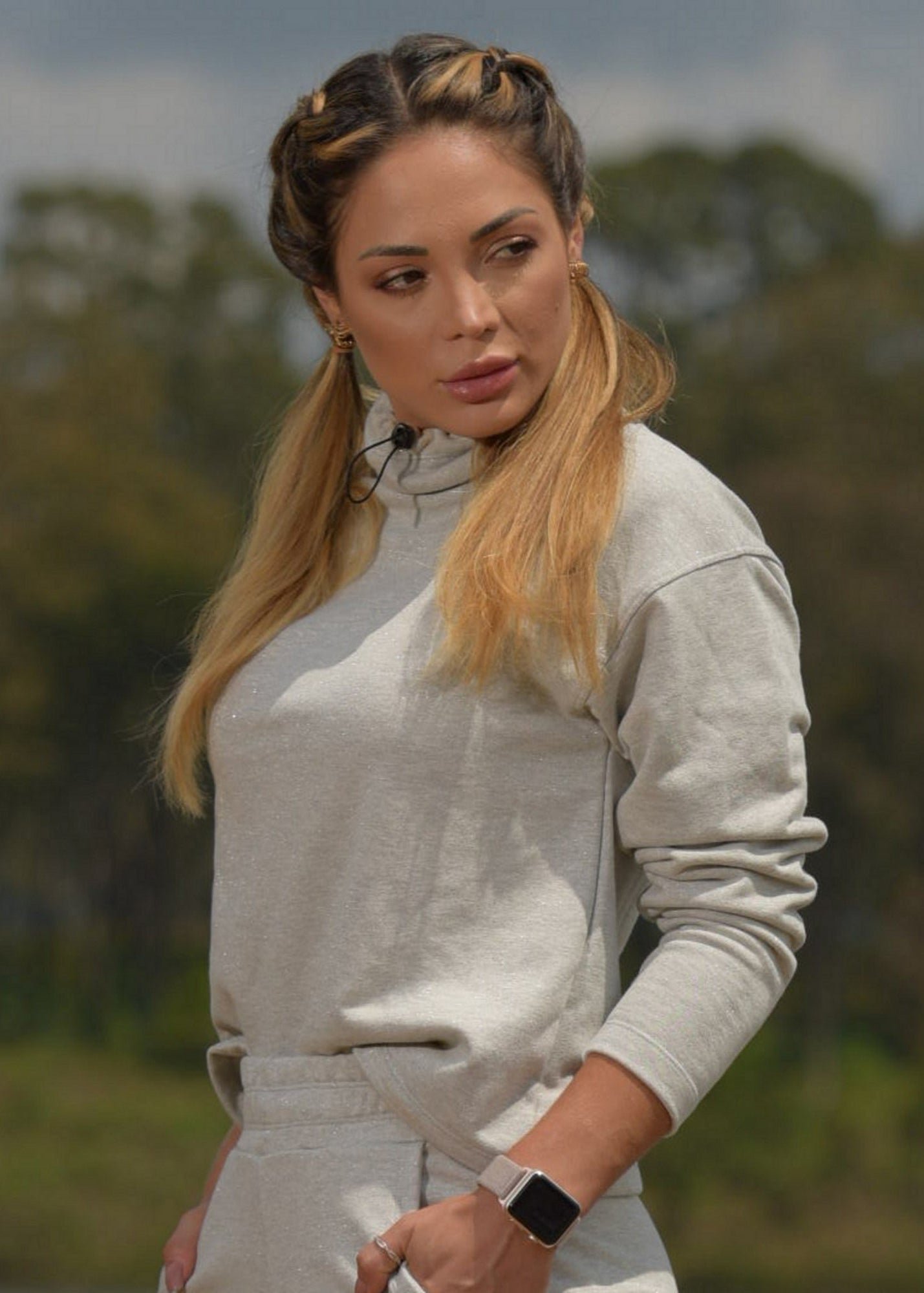
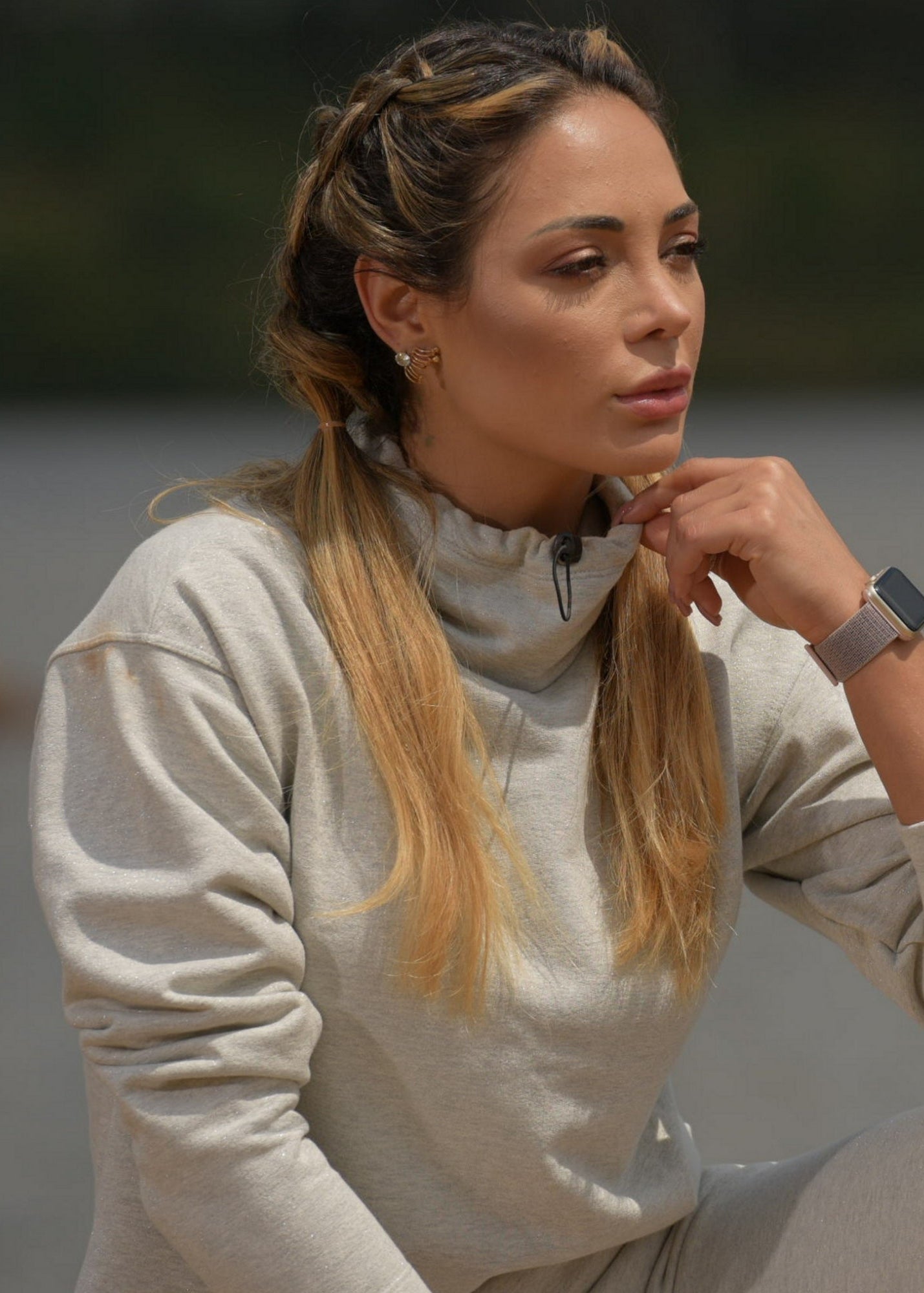
Texture needs to be placed thoughtfully. A soft ribbed co-ord can be perfect for Pilates, brunch or airport days, but a highly textured fabric may create friction in high-impact activity. Likewise, a glossy finish makes a statement but may show sweat or highlight areas differently from a smooth matte legging. The most versatile wardrobe has room for both: sleek sculpting staples for training and textured pieces that elevate your off-duty look.
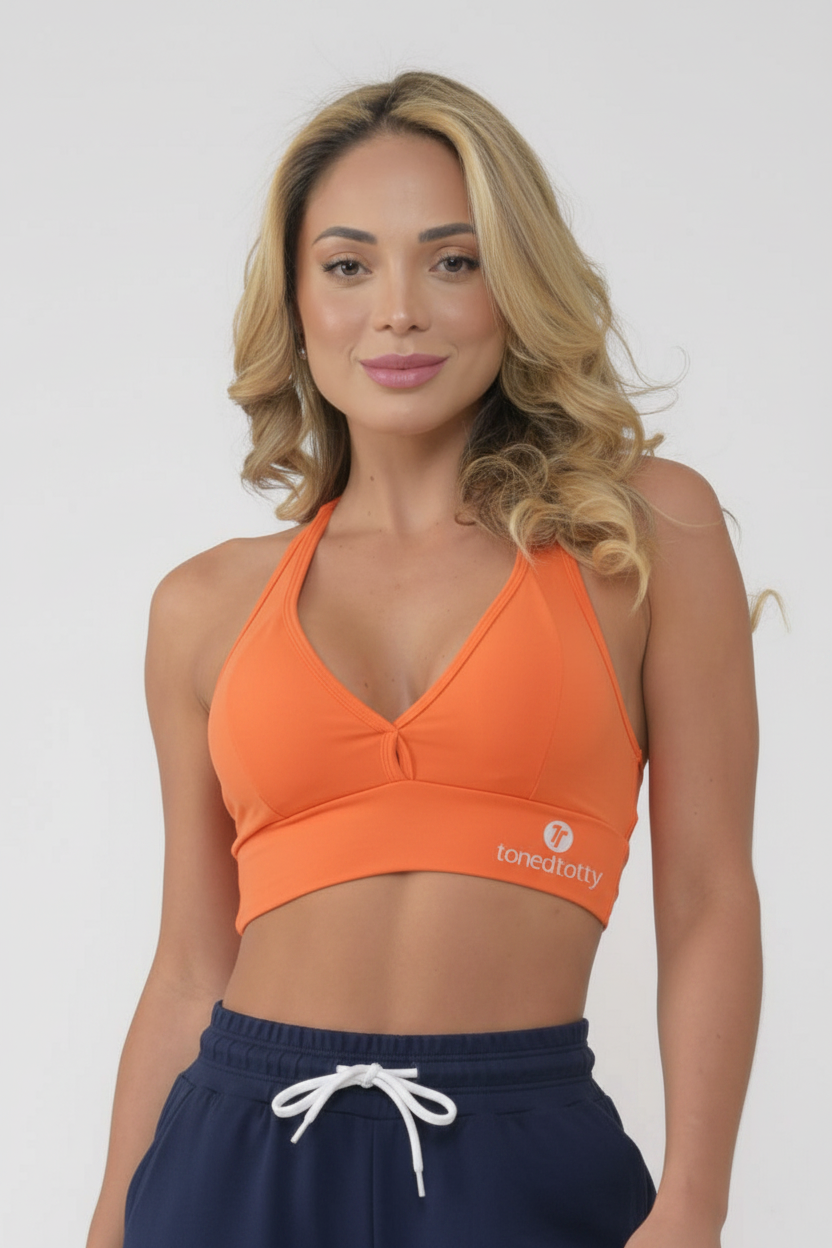
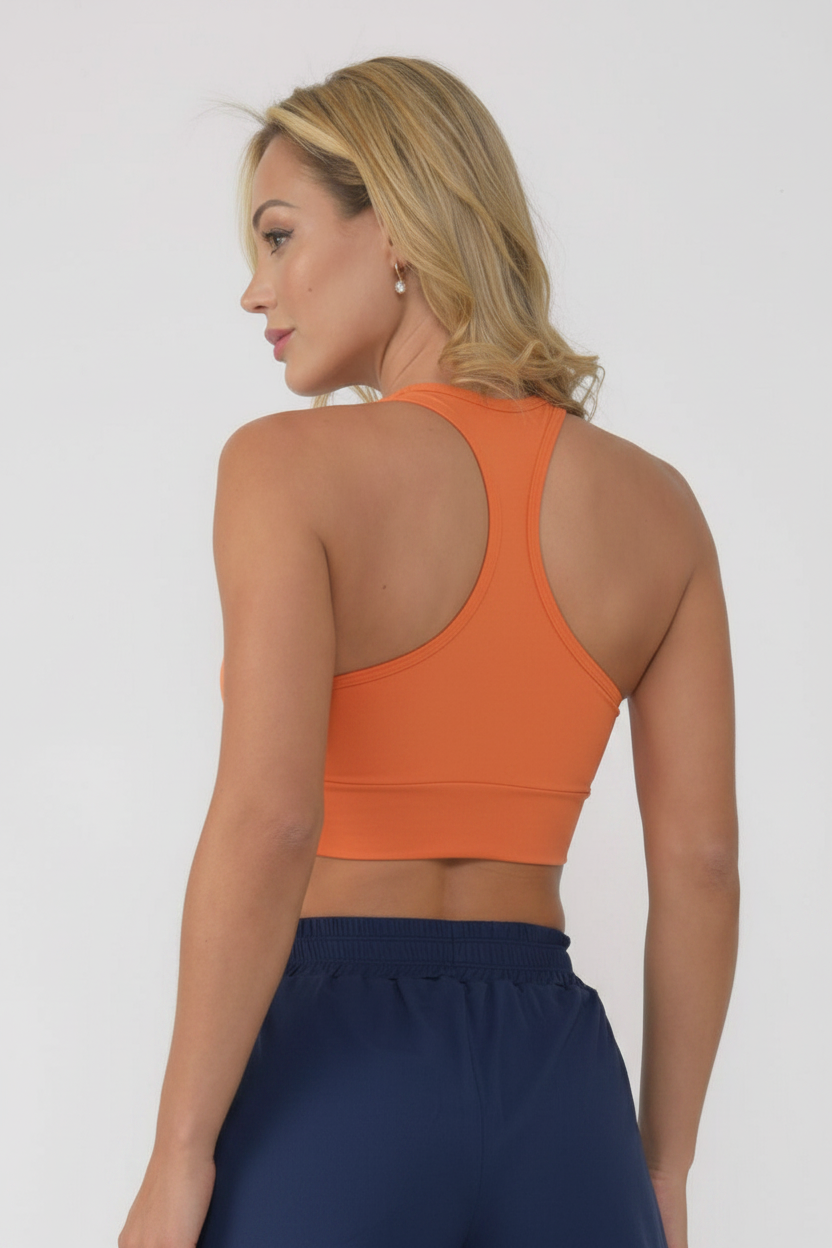
At Toned Totty, that balance matters. A great activewear set should give you gym-ready function without looking like you forgot to get dressed after your workout.
Responsible fabric choices are becoming part of premium quality
Innovation is not only about performance on the body. More considered manufacturing, recycled fibre options and longer-lasting fabric construction are reshaping what shoppers expect from premium gymwear. The most sustainable piece is not necessarily the one with the loudest claim. It is often the piece you wear repeatedly because it still fits, still performs and still feels special.
Durability matters here. Activewear is regularly stretched, washed and exposed to sweat, so it needs care to maintain its colour, elasticity and finish. Turn pieces inside out before washing, choose a cooler cycle, avoid fabric softener and let them air dry where possible. High heat can damage elastic fibres over time, reducing the recovery that makes leggings feel sculpting and supportive.
Buying fewer pieces that work across your routine also makes sense. A black squatproof legging that takes you from strength training to lunch will likely earn more wear than a trend piece that only works in one setting. Versatility is not boring. It is what gives a luxury activewear wardrobe real value.
How to choose the right fabric for your routine
Start with your most common movement. For strength training, look for opaque, medium-to-high support fabrics with excellent recovery. For yoga and Pilates, a soft, flexible fabric with a smooth hand feel is often the priority. Runners may prefer lightweight, quick-drying options with strategically breathable areas, while low-impact days call for brushed, ribbed or comfort-led fabrics that keep their polished shape.
Then think about how you want to feel. If you love a held-in, sculpted finish, choose a denser fabric and supportive waistband. If you dislike compression, opt for softer stretch with lighter support. The best fitting leggings are not simply the tightest pair. They are the pair that lets you move confidently, stays in place and makes you feel incredible from every angle.
The next generation of activewear is not asking you to choose between performance and style. Choose fabric that supports your training, flatters your shape and gives you one less thing to think about when it is time to move.


