




What Is Moisture Wicking Fabric for Activewear?
- by Admin
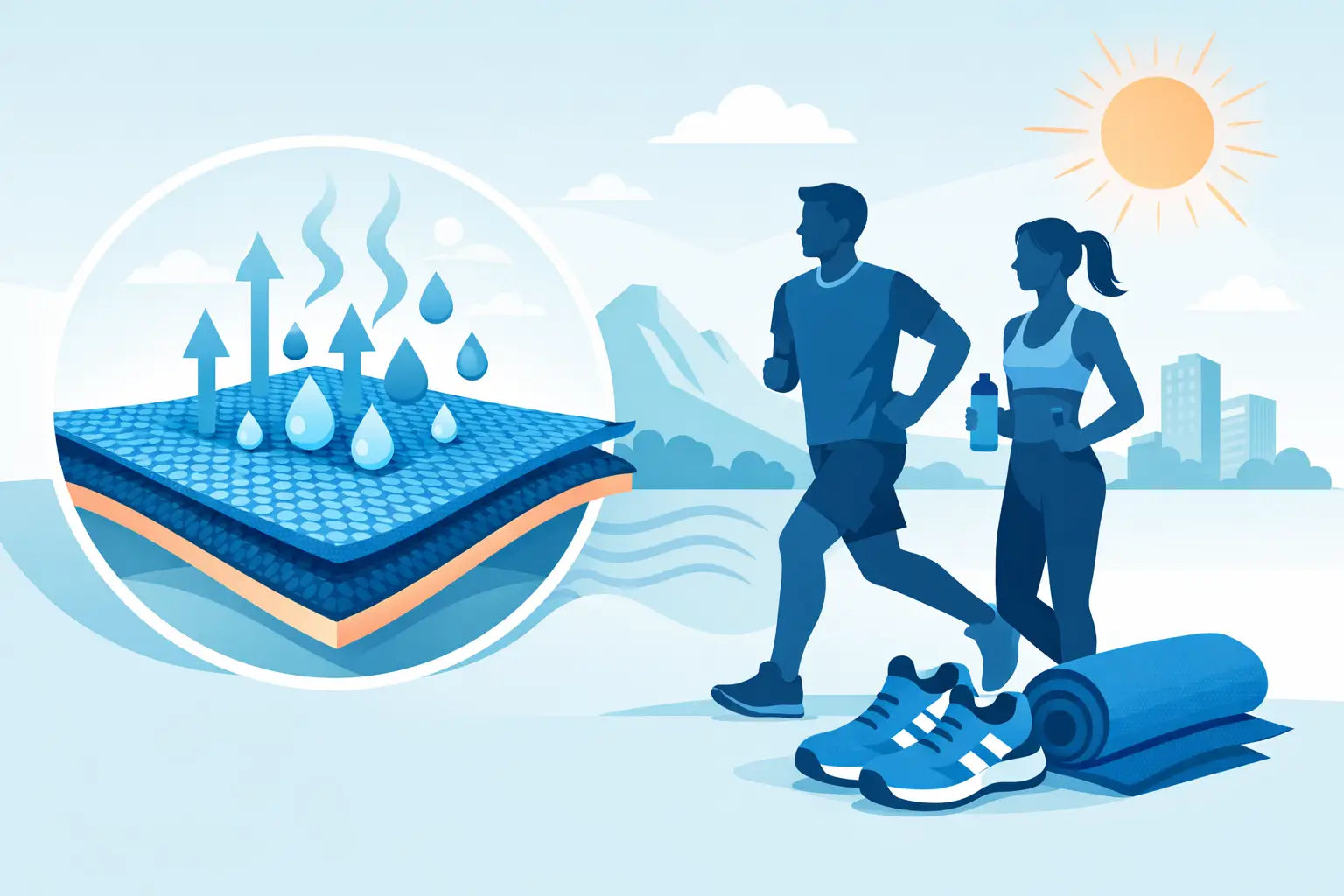
The difference between a workout you push through and one you want to cut short can come down to what is sitting against your skin. So, what is moisture wicking fabric? It is fabric designed to pull perspiration away from the body and spread it across the surface of the material, where it can evaporate more quickly. The result is activewear that feels drier, lighter and far more comfortable when your session turns up the heat.
For women who expect their gym kit to sculpt, support and look polished as well as perform, this is not a small detail. Moisture management helps leggings stay comfortable through lower-body days, keeps a sports bra feeling fresher during spin, and makes a fitted top more wearable from Pilates to the rest of your day.
What is moisture wicking fabric and how does it work?
Moisture wicking is all about movement. Rather than letting sweat remain in one place against your skin, the fabric uses tiny channels between its fibres to draw moisture outwards. This process is often called capillary action. Once moisture reaches the outer face of the fabric, it spreads out over a wider area and has a better chance of drying fast.
Most moisture-wicking activewear is made with synthetic fibres, including polyester, nylon and elastane blends. These fibres absorb very little water compared with materials such as cotton. That matters because a fabric can only move sweat effectively if it does not hold on to it first.
The blend and the knit both count. A premium, dense stretch fabric can offer a smooth, supportive feel while still allowing sweat to travel away from the skin. A lighter, more open construction may dry especially quickly, but it may not deliver the same compression, coverage or sculpting effect. The best choice depends on how you train and how you want your outfit to fit.
Wicking is not the same as waterproof
The terms are easy to confuse, but they do very different jobs. Waterproof fabric is designed to stop rain from passing through it. Moisture-wicking fabric is designed to move sweat from your skin to the outside of the garment.
A technical jacket may be both water-resistant and breathable, while leggings or a gym top are more likely to focus on wicking, stretch and comfort. For indoor training, effective moisture management is usually far more useful than waterproofing.
Why moisture-wicking gym wear feels better
When sweat stays trapped against the body, fabric can start to feel heavy, sticky and cold as soon as you slow down. That is not exactly the energy you want between sets or on the walk home. Wicking fabric helps reduce that damp-cling feeling, so your kit feels more composed while you move.
It can also make fitted activewear feel more flattering. Sweat-heavy cotton can darken, lose shape and cling in ways that make you feel less than confident. Quality performance fabric is better equipped to maintain a smooth finish and a close, supportive fit, whether you are squatting, stretching or grabbing a post-gym coffee.
For high-intensity training, running and spin, faster-drying fabric is an obvious win. But it is just as valuable for yoga, strength work and everyday athleisure. You may not leave a Pilates class drenched, yet you still want a second-skin set that feels fresh, breathable and ready for whatever comes next.
Moisture wicking versus breathable fabric
Breathability and moisture wicking often appear together, but they are not identical. Breathable fabric allows air and water vapour to pass through more easily. Moisture wicking specifically refers to moving liquid sweat away from your skin.
You want both wherever possible. A fabric that wicks but has very limited airflow may still feel warm during a hard session. A highly breathable fabric that absorbs sweat slowly can feel damp. The most wearable activewear balances moisture management, airflow, stretch and support rather than chasing one feature alone.
That balance is especially important in leggings. A thin fabric might feel airy, but it can compromise opacity and hold. A more substantial fabric may deliver a beautiful squatproof finish and sculpting support, but should still be engineered to manage perspiration comfortably. Performance is never just one box ticked on a label.
Which fabrics are best for wicking sweat?
Polyester is a popular choice because it is lightweight, durable and naturally low-absorbency. It can dry quickly and works well in everything from running tops to technical jackets. Nylon is another strong performer, often chosen for its soft, premium hand-feel, strength and smooth finish.
Elastane is typically blended in rather than used alone. It gives activewear its stretch and recovery, helping leggings hug the body, sports bras support movement and fitted tops keep their shape. The percentage matters: more stretch can feel wonderfully flexible, but the fabric still needs enough structure to offer support.
Supplex is also worth knowing if you love the soft feel of cotton but do not want cotton's tendency to stay wet. It is a performance fibre engineered to offer a cotton-like touch with the durability and quick-drying qualities expected from technical activewear. For fashion-led gym wear, it can deliver that luxe, soft-to-the-touch feel without sacrificing workout credentials.
Cotton is comfortable for low-sweat days, lounging and relaxed layers, but it is not usually the first pick for intense exercise. It absorbs moisture readily and can take longer to dry. That does not make it a bad fabric; it simply means it has a different role in your wardrobe.
How to choose moisture-wicking activewear that still looks elevated
Start with the workout, then think about the fit you want. For running, HIIT or spin, look for lightweight pieces with a close but non-restrictive fit. Excess fabric can hold heat and move around, while a technical fit helps the material stay close enough to do its job.
For strength training, choose leggings that combine wicking properties with reliable coverage and recovery. You need fabric that stays opaque when you squat, does not slide down during deadlifts and keeps its shape after repeated wears. A waistband that stays put is just as confidence-building as a quick-drying finish.
For yoga and Pilates, softness is often the deciding factor. A smooth, stretchy fabric with gentle compression lets you focus on your form instead of constantly adjusting your outfit. If you wear your set beyond the studio, consider a clean finish, flattering seams and a colour you can style with an oversized layer or a tailored jacket.
Do not rely on the phrase “moisture wicking” alone. Check the fabric composition, weight and overall construction. Think about whether the garment has breathable panels, a supportive waistband, removable bra pads, flat seams or a brushed finish. No single feature makes a piece perfect, but together they shape how it feels when you actually wear it.
Care matters more than you think
High-performance fabric needs considered care to keep doing its job. Wash activewear after sweaty sessions, ideally inside out on a cool cycle. Avoid fabric softener, as it can coat fibres and interfere with their ability to move moisture effectively. High heat can also be tough on elastane, so air drying is usually the better choice.
It is tempting to throw gym kit in with towels or heavy cottons, but friction can shorten the life of smooth technical fabric. Give your favourite leggings and sports bras a little more care, and they will hold their shape, softness and support for longer.
At Toned Totty, performance should never mean compromising on the look. The right moisture-wicking fabric keeps you feeling cool and comfortable, while a sculpting, confidence-first fit ensures you still look as powerful as you feel. Choose pieces that work hard in the gym, then make getting dressed afterwards feel just as good.


