




Women's Sports Bra Support Guide
- by Admin
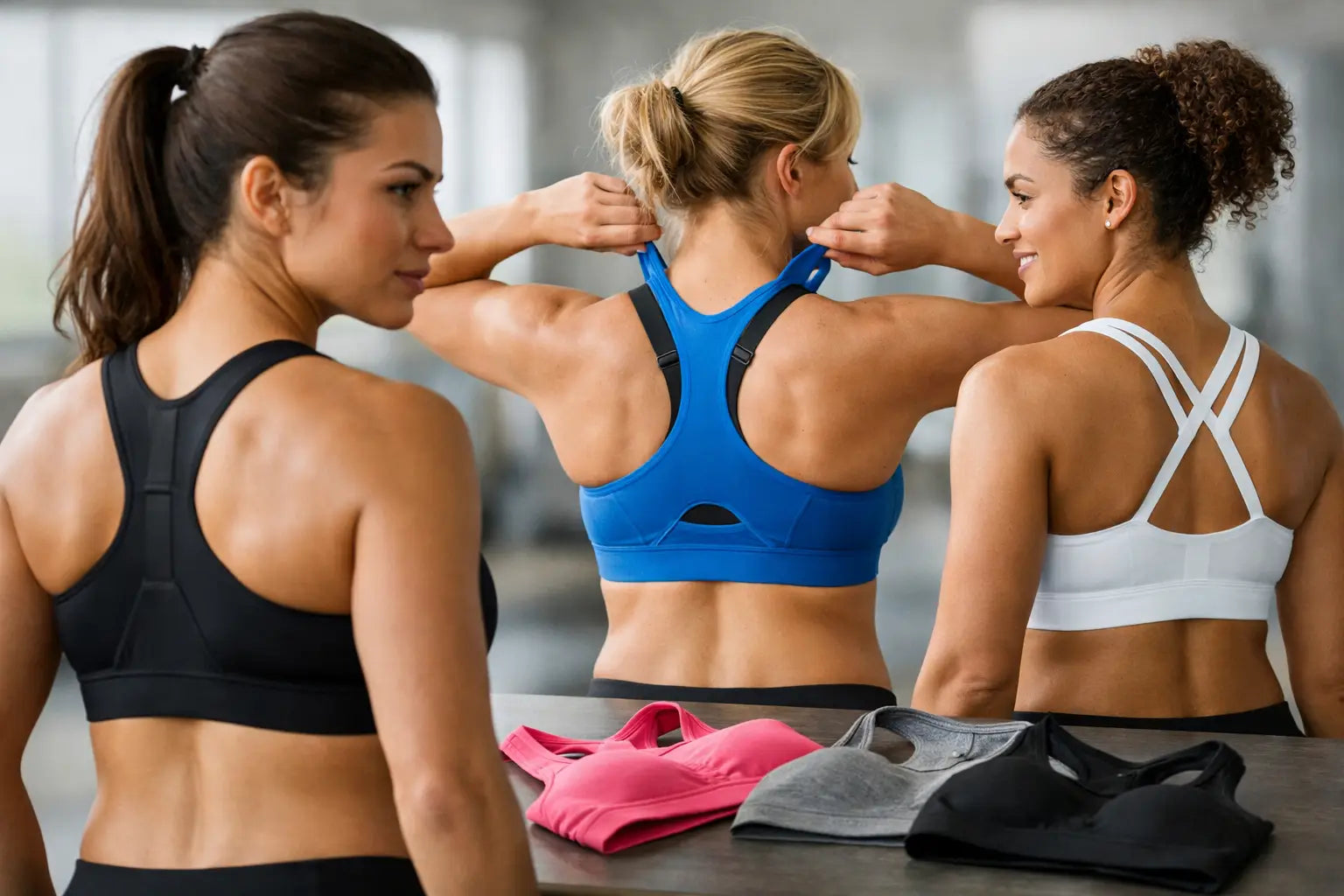
One workout in the wrong bra is usually all it takes. You spend the session adjusting straps, second-guessing your fit, and feeling far less confident than you should. A proper women's sports bra support guide matters because support is not just about comfort - it changes how you move, how secure you feel, and how polished your activewear looks from the gym floor to the rest of your day.
The right sports bra should feel like part of the outfit, not the problem. It needs to support your shape, sit smoothly under tops and jackets, and match the way you actually train. Some days call for soft flexibility. Others need serious hold. Knowing the difference is what makes shopping smarter and wearing it better.
Why support matters more than most women think
Support is often treated as a technical detail, but in reality it is a confidence detail. If your bra shifts, digs in or leaves you feeling exposed during movement, your focus goes straight to fixing it rather than training. Good support keeps everything held in place so your posture, comfort and concentration stay where they should be.
It also affects how your activewear sits on the body. A supportive sports bra creates a cleaner fit under gym tops, zip jackets and matching sets. That matters when your wardrobe is doing double duty - training hard, then heading out for coffee, errands or travel without missing a beat.
There is also no single version of support that suits everyone. Bust size matters, of course, but so does workout intensity, fabric feel, strap design and your own preference for compression or shape. Some women want maximum lockdown for running. Others want lighter support with a more flattering, second-skin finish for Pilates or long walking days. Both are valid.
Women's sports bra support guide by activity
The easiest place to start is with how you move. Different workouts create different levels of bounce, pressure and repetition, so the support level should match the session.
Low support for gentle movement and easy days
Low-support bras are best for slower, lower-impact movement like yoga, stretching, barre, Pilates or relaxed walks. They usually feel softer, lighter and less restrictive, with a smooth silhouette that works beautifully under fitted layers.
This is often the most fashion-forward category because it allows for sleeker necklines, elegant strapping and a more minimal finish. The trade-off is simple - low support is not built for high bounce. If you take it into a sprint session, it will quickly feel underpowered.
Medium support for gym sessions and mixed training
Medium support is the all-rounder. It suits strength training, circuit sessions, cross-training, spin and busy gym days where your workout includes a bit of everything. You get more hold than a studio bra, but usually with enough comfort to wear beyond the workout too.
For many women, this is the sweet spot. It balances shape, support and versatility, which is exactly what you want from premium activewear. If your bra needs to move from weights to brunch without feeling too technical, medium support often wins.
High support for running and impact-heavy training
If you run, jump, sprint or do anything high impact, high support is non-negotiable. This is where structure really matters - firmer bands, more secure straps, stronger fabric recovery and a closer fit overall.
High support should feel secure, not punishing. A common mistake is assuming tighter automatically means better. It does not. If the band is painfully restrictive or the straps are doing all the work, the fit is off. The best high-support bras feel locked in, lifted and stable without cutting into your shoulders or ribs.
How a sports bra should actually fit
A good fit should feel firm at first, because sports bras are designed to support movement rather than lounge-level softness. But firm and uncomfortable are not the same thing.
The band should sit straight around your body and stay in place when you lift your arms. If it rides up at the back, it is too loose. If it feels like it is digging in sharply or affecting your breathing, it is too tight. Most of the support should come from the band, not the straps.
The cups or front panel should hold your bust smoothly without gaping, spillage or flattening that feels excessive. Compression styles will naturally feel closer to the body, while shaped styles may offer a more defined silhouette. Neither is automatically better - it depends on what feels secure and flattering on you.
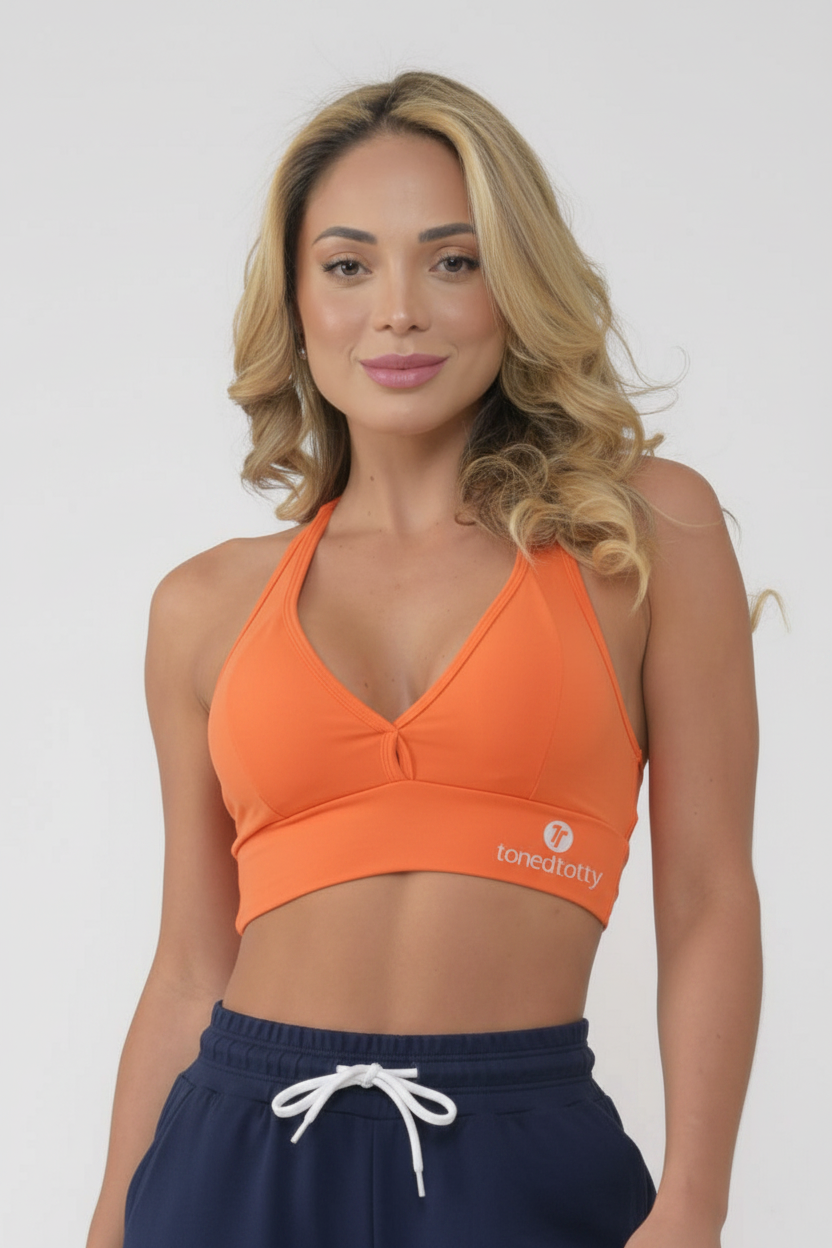
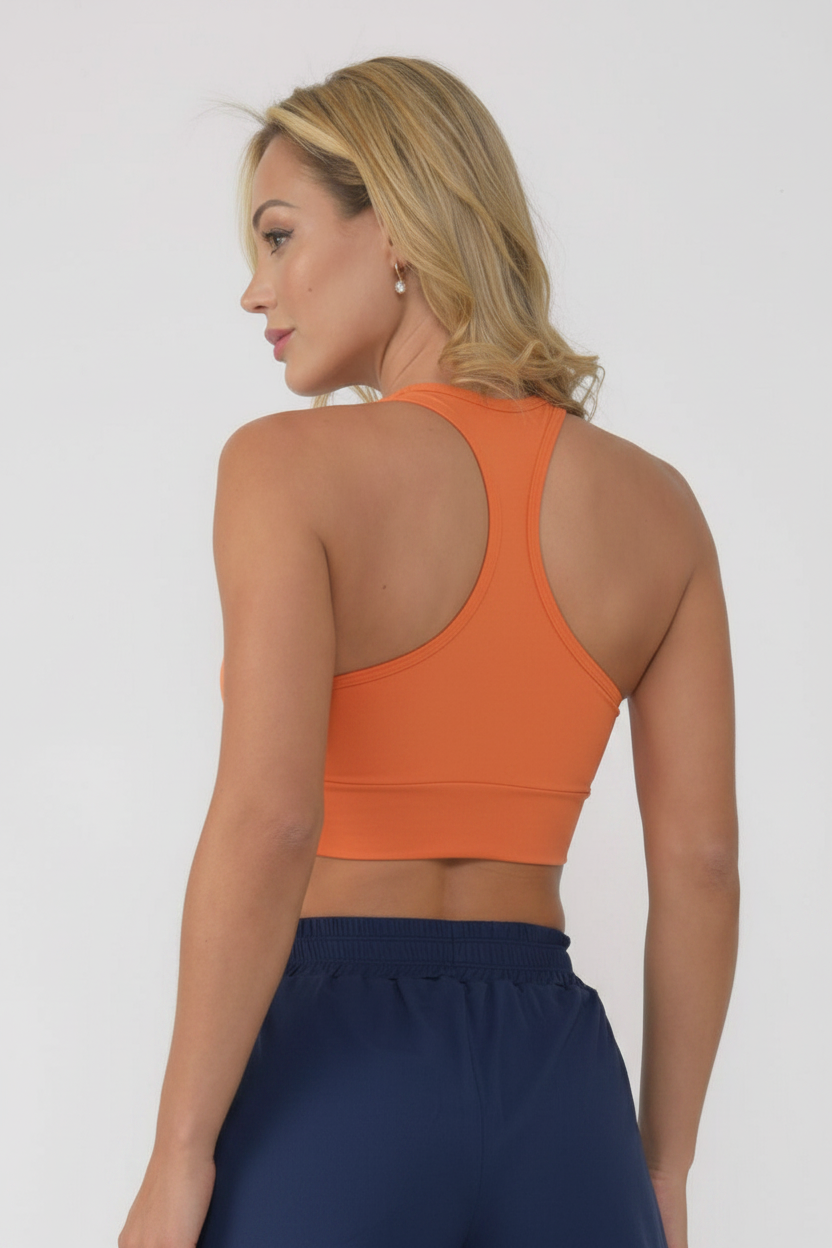
Straps should stay put without leaving deep marks. Adjustable straps are especially useful if you struggle to get the right balance between lift and comfort. Racerback styles can add security for training, while straighter straps may feel more wearable under certain tops.
A quick test helps. Move around in the fitting room or at home. Raise your arms, twist through your torso, jog on the spot. If you are already adjusting before the workout has even started, it is not the right fit.
Women's sports bra support guide to design details
Support is not only about size labels. Construction changes everything.
Fabric makes a major difference. Premium performance fabrics with good stretch recovery hold their shape better and feel more luxurious against the skin. That means support that lasts, not support that disappears after a few washes. A bra can look beautiful on the hanger, but if the fabric goes soft too quickly, the support goes with it.
Wider underbands usually offer more stability, especially for medium and high support styles. They anchor the bra and help distribute pressure more evenly. Narrow bands can look sleek, but they may not give enough hold for bigger busts or higher impact sessions.
Strap placement matters too. Wider straps can improve comfort, while racerback cuts often reduce movement during training. Removable padding is more of a personal preference. Some women love the extra shape and coverage, while others prefer a cleaner, lighter feel. Neither choice changes support on its own, but it can affect how confident you feel in the bra.
Then there is coverage. Higher necklines can offer a more secure feel for intense training, while lower-cut shapes often lean more fashion-led. Again, it depends on use. If you want one bra to carry you from workout to street styling, shape and support need to work together.
When style and support need to meet in the middle
This is where many women compromise too much. They buy the practical bra for training and the flattering bra for everything else, as if the two cannot possibly exist in one piece. They can.
The best sports bras blend performance with polish. They support movement, smooth the silhouette and still feel elevated enough to wear as part of the outfit. That is especially important if you live in activewear and want your wardrobe to look intentional rather than thrown together.
A matching set instantly sharpens the whole look, but support still comes first. It does not matter how good the leggings are if the bra underneath is letting the outfit down. The strongest activewear wardrobes are built on pieces that perform and flatter in equal measure.
Toned Totty understands that balance well - where sport meets fashion is not just a slogan, it is how women actually dress now.
Signs it is time to replace your sports bra
Even a brilliant sports bra has a shelf life. If the band has gone loose, the straps keep slipping, the fabric feels overstretched or the support level has noticeably dropped, it is time for a refresh.
You may also need a different bra for a different phase of training. A style that works for reformer Pilates may not be enough when you start running regularly. Your body can change too, and so can your fit preferences. There is nothing wrong with building a small rotation rather than expecting one bra to do every job.
If you wear your favourites on repeat, replacing them before they completely give up is worth it. Support is one of those details you notice most when it is missing.
How to shop smarter, not just faster
The best way to shop is to start with your real life, not just the product name. Think about the workouts you do most, the tops you wear over your bra, and whether you want a sculpted look, a barely-there feel or maximum hold.
If you train across different categories, you may need more than one support level. That is not overbuying - it is buying properly. A low-support bra for stretching, a versatile medium-support style for gym sessions, and a high-support option for running covers most wardrobes far better than three lookalike bras that all do the same thing badly.
It also helps to be honest about what makes you feel your best. Some women prioritise lift. Others care most about softness, clean lines or coverage. The right choice is the one that supports your movement and your confidence at the same time.
A sports bra should never be the part of your outfit you tolerate. It should hold you in, flatter your shape and make every session feel more put together. When support, fit and style finally line up, you can stop adjusting and get on with moving like you mean it.


