




Athleisure vs Activewear Differences Explained
- by Admin
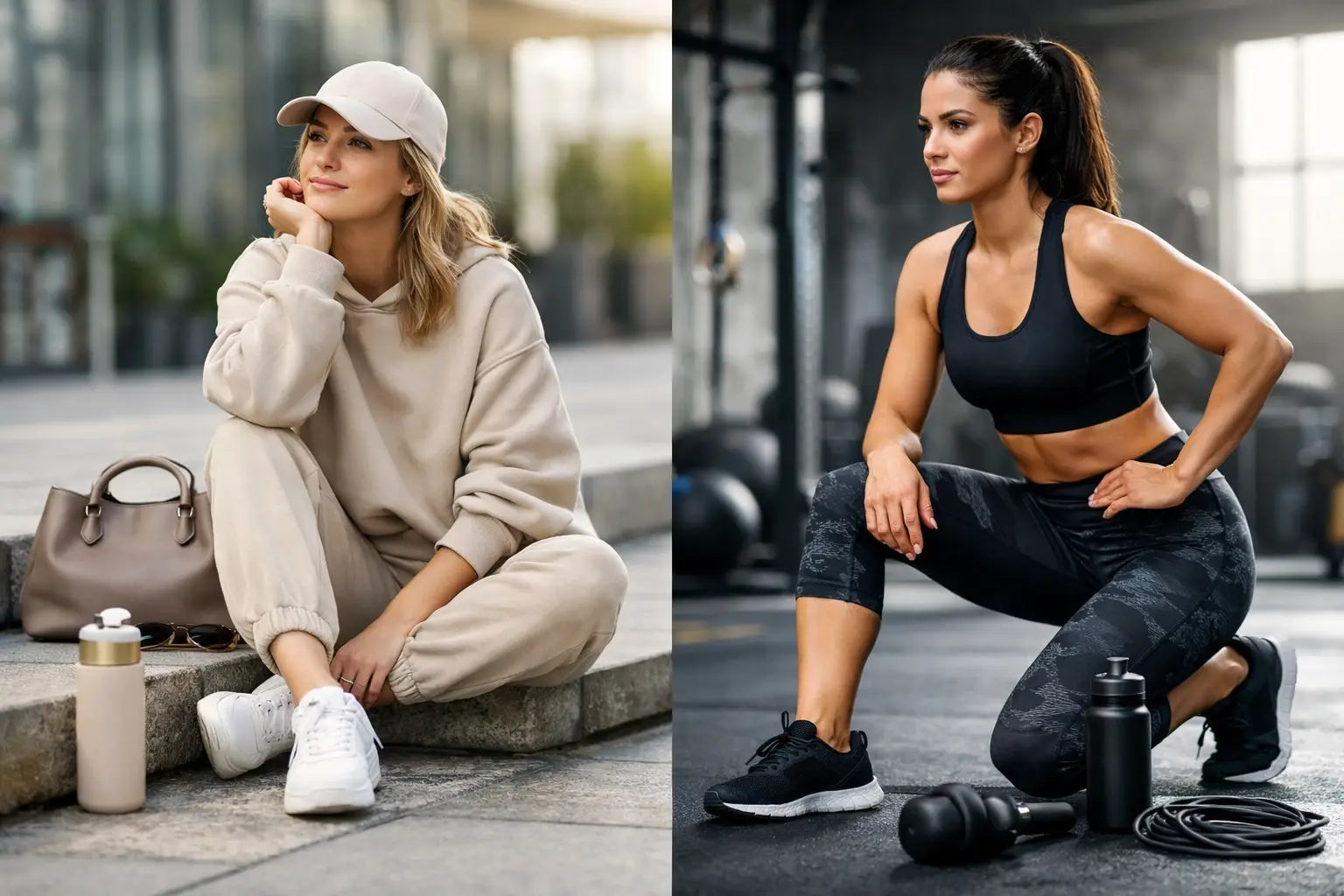
You can spot the difference the moment your outfit has to work harder. If you're heading to a reformer class, grabbing a coffee after, then running errands across town, the athleisure vs activewear differences suddenly matter. Some pieces are built to perform under pressure. Others are made to look polished, feel comfortable and carry you stylishly through the rest of your day.
The confusion is understandable because the two categories often overlap. A sleek pair of sculpting leggings can absolutely do both, and that is where modern dressing gets interesting. But if you have ever bought something that looked amazing on and then felt unsupportive in training, or worn a gym set all day and wished it felt more elevated, you already know this is not just fashion wording. It comes down to function, fabric, fit and how you actually live.
Athleisure vs activewear differences at a glance
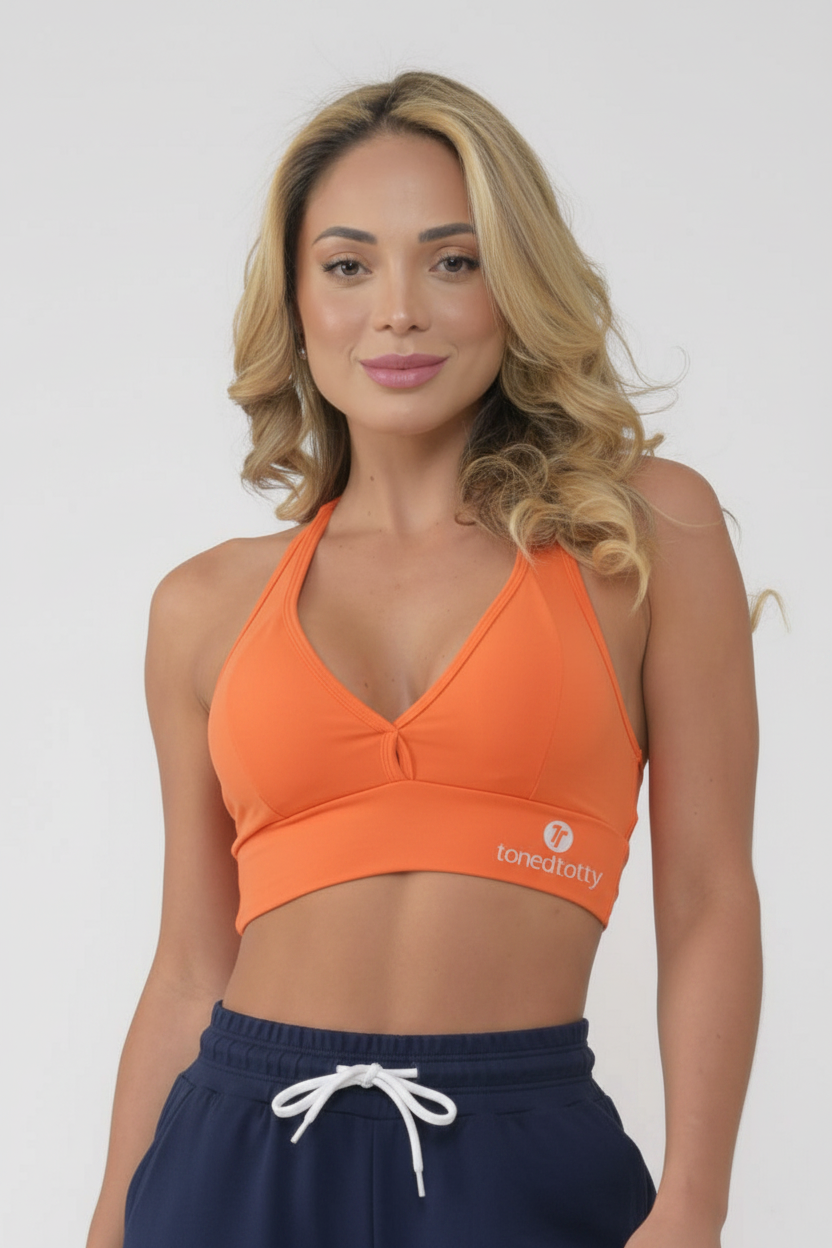
Activewear is designed first for exercise. It is the category you reach for when you need support, breathability, stretch, hold and confidence through movement. Think squatproof leggings, secure sports bras, fitted tops that stay in place, and fabrics that are ready for sweat, speed and repeated wear.
Athleisure is designed first for everyday style with a sport-inspired edge. It borrows the clean lines, comfort and energy of gym wear, but the main goal is versatility. These are the outfits you wear to brunch, on the school run, while travelling, or for a casual lunch when you still want that put-together, flattering look.
That said, the line is no longer sharp. Premium brands have changed the game by creating pieces that train well and style beautifully. That is why the best wardrobes do not treat athleisure and activewear as opposites. They treat them as two ends of the same very chic spectrum.
What activewear is really made for
Activewear earns its place in your wardrobe by performing when your body is doing the most. It should support movement without distraction. That means a fabric with recovery, so it springs back into shape, coverage that stays opaque under strain, and cuts that are secure enough for everything from lower-body sessions to high-energy classes.
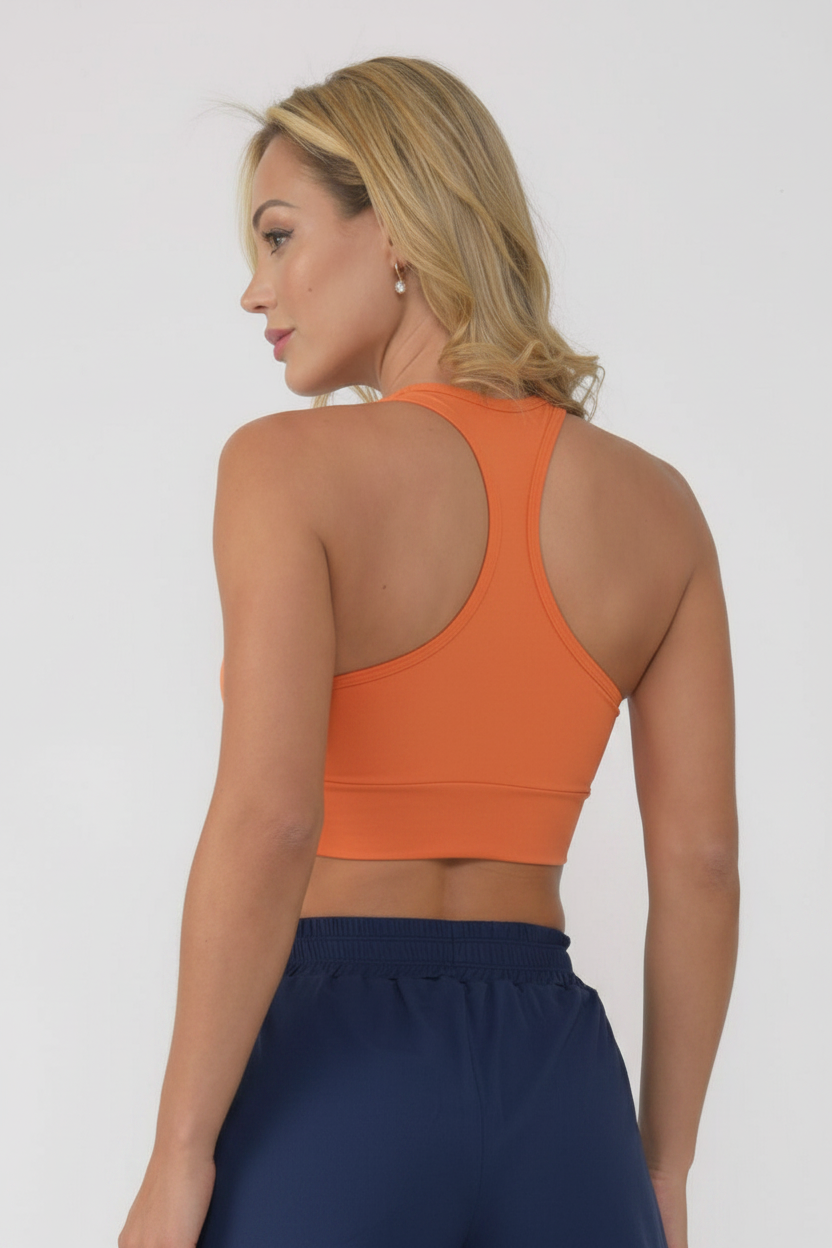
The best activewear is not only technical, it is confidence-building. A well-designed pair of leggings should sculpt, smooth and stay put. A sports bra should feel supportive without digging in. A gym top should move with you, not cling in the wrong places or ride up mid-session.
Fabric matters here more than people think. Supplex-style materials are popular for a reason. They have that premium, soft-touch feel but still deliver durability, stretch and shape retention. When you are training regularly, these details are not a luxury. They are the difference between pieces that keep up and pieces that end up at the back of the drawer.
Key signs you're looking at activewear
You will usually notice more technical features in activewear. That might mean compressive fabric, moisture management, reinforced waistbands, breathable panels or a higher level of support through the bust and hips. The fit is often closer to the body because that helps with performance.
It can still look stylish, of course. In fact, the best activewear often has the strongest visual impact because the fit is so considered. But its beauty comes from performance-led design, not just trend appeal.
What makes athleisure different
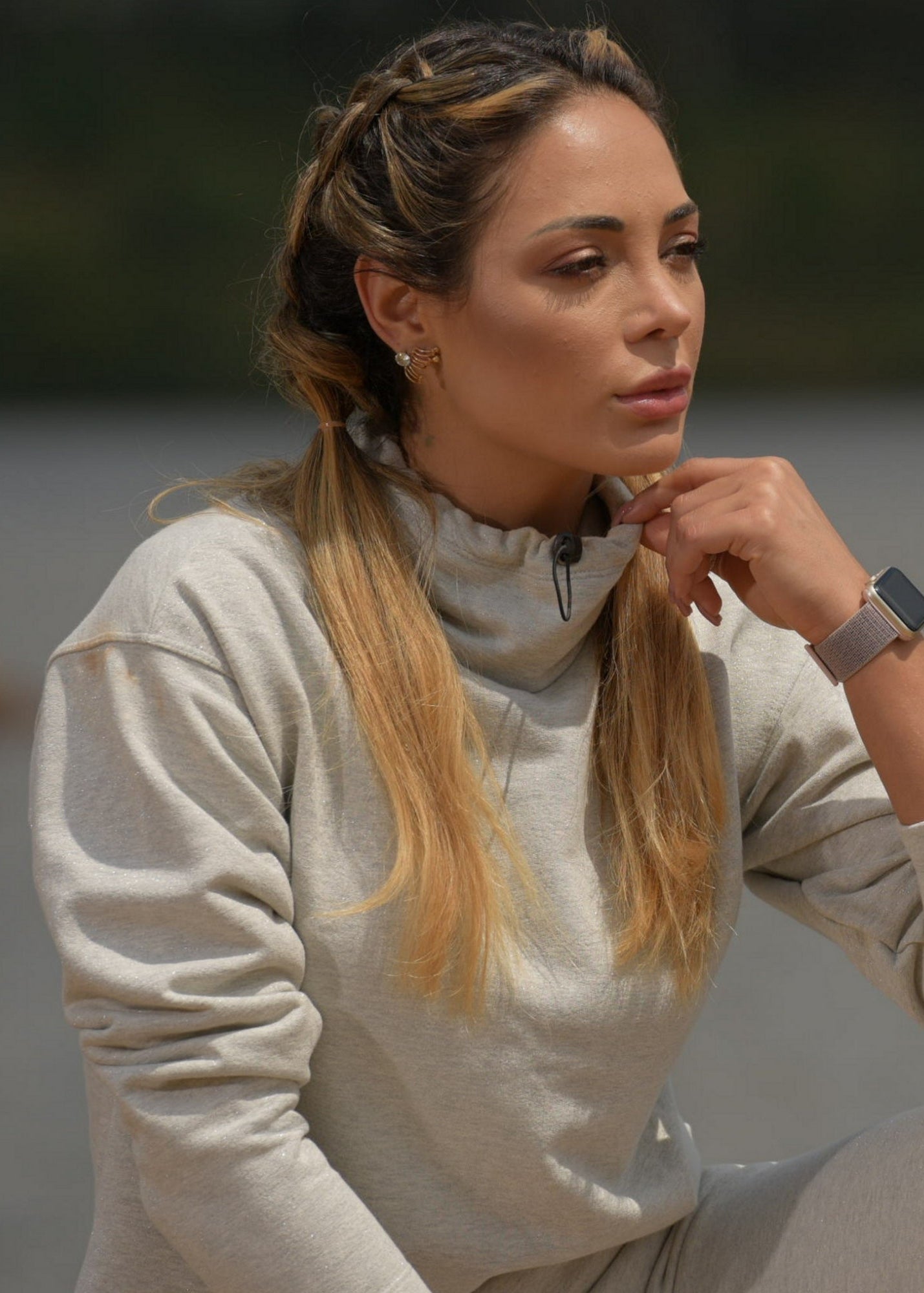
Athleisure is where comfort meets polish. It takes cues from training wear but softens the purpose. You still get stretch, flattering fits and an easy feel, but the pieces are designed with the rest of your day in mind.
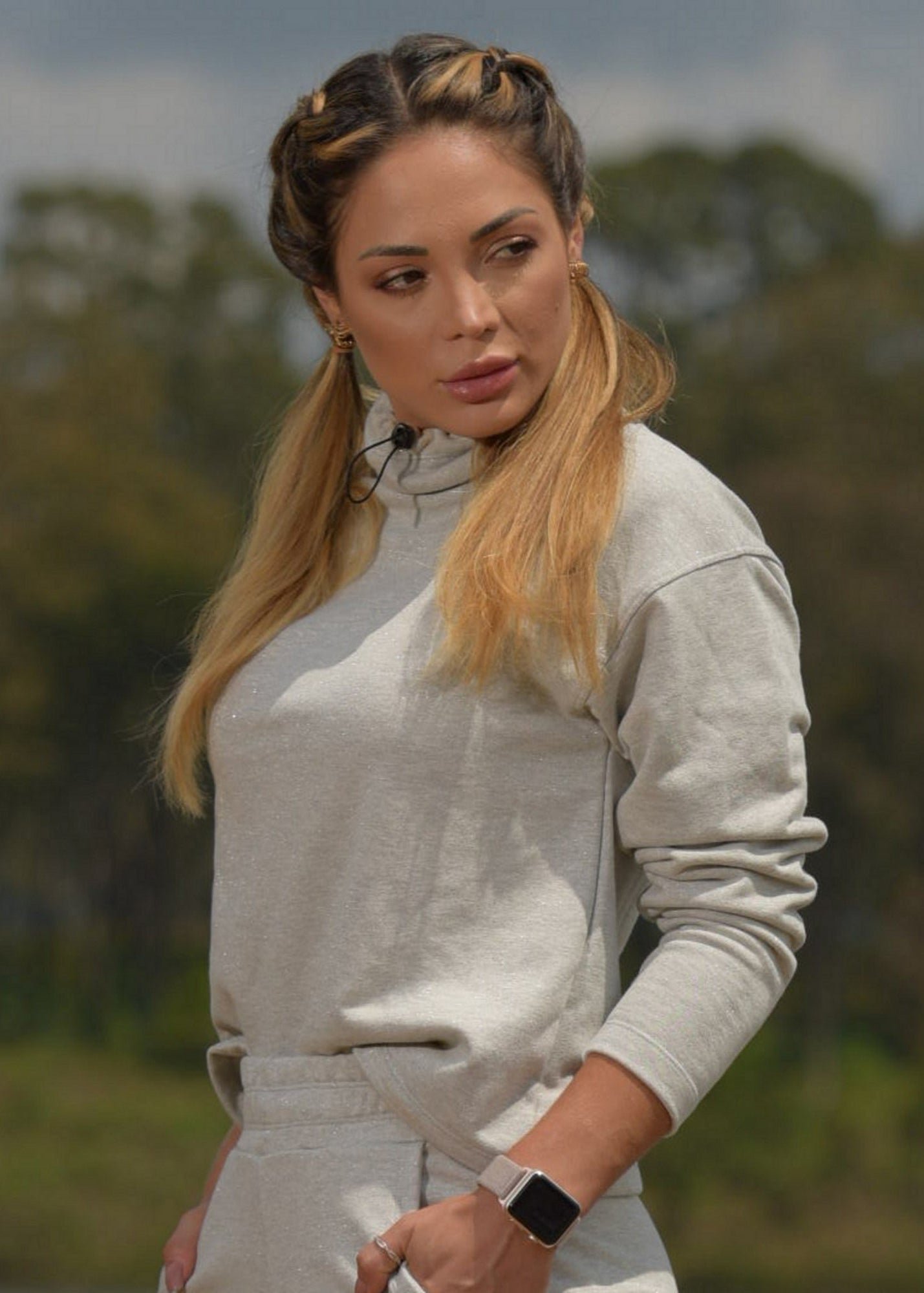
That could mean leggings paired with an oversized jacket, a fitted zip-through worn with chunky trainers, or a sleek jumpsuit styled for lunch rather than lunges. The emphasis is less on technical support and more on how effortlessly the outfit fits into everyday life.
The appeal is obvious. Athleisure makes getting dressed easier. It feels modern, feminine and confident without looking overdone. You are comfortable, but you still look styled. You are casual, but not careless.
This is also where design details become more fashion-led. You may see softer fabrics, more relaxed cuts, elevated finishes and silhouettes that prioritise shape and styling potential. A piece might still be suitable for light movement or a walk, but that is not necessarily its main job.
The real difference comes down to intent
The simplest way to separate the two is to ask one question: what is this piece mainly designed to do?
If the answer is train, sweat, support and perform, it is activewear. If the answer is flatter, style, layer and wear all day, it is athleisure.
Of course, premium pieces often blur that line beautifully. A pair of sculpting leggings with a squatproof finish can take you through a workout and still look sharp with a jacket afterwards. A fitted sports top can work under a blazer for an off-duty look. This crossover is exactly why so many women now shop with versatility in mind.
But the trade-off still matters. Not every stylish piece is ideal for intense sessions, and not every technical piece feels elevated enough for all-day wear. The right choice depends on how you want the item to perform in your real life, not just how it looks on the hanger.
Athleisure vs activewear differences in fabric and fit
If you want a quicker way to judge a piece before buying, start with the feel of the fabric and the structure of the fit.
Activewear fabrics usually have more compression, more hold and more resilience. They are built to move repeatedly without losing shape. You want opacity, especially in leggings and shorts, and enough support to feel secure during training. Waistbands tend to be firmer. Seams are often placed to contour and stabilise.
Athleisure fabrics are often softer, lighter or more draped. Comfort is still key, but support may be less intense. The fit can be body-skimming or relaxed depending on the look. These pieces are often more forgiving for long periods of wear because they are designed around comfort and style rather than exertion.
Neither is better across the board. If you spend your morning in spin class, activewear should lead. If you are dressing for a travel day or a casual meet-up, athleisure may make more sense. If you want your wardrobe to work harder, look for premium fabrics and flattering cuts that can bridge both worlds.
When activewear can double as athleisure
This is where smart shopping pays off. Some of the strongest pieces in a wardrobe are activewear staples that also look incredibly polished outside the gym. Sculpting leggings, streamlined jackets, fitted long-sleeve tops and well-cut sports bras can all move into athleisure territory when the fit is flattering and the finish feels premium.
That is especially true when the fabric has a luxurious hand feel rather than a shiny, overly technical look. Matte finishes, supportive stretch and clean seams make a piece easier to style beyond training. Add a coat, a cap or a knit layer and suddenly your gym outfit looks intentional rather than improvised.
For women who want that gym-to-street ease, this overlap is the sweet spot. It gives you more wear from every piece and makes getting dressed feel effortless.
How to choose the right one for your day
If your priority is performance, activewear should always come first. You want support you can trust, coverage you do not have to think about and a fit that works as hard as you do. That is not the moment to compromise for a softer, more lounge-led option.
If your priority is style with comfort, athleisure is the stronger choice. It gives you that off-duty, elevated look while still feeling easy to wear. Perfect for coffee runs, travel days, dog walks or weekends when denim feels too restrictive.
If your day includes both movement and plans, go for hybrid pieces. This is where a fashion-forward brand with technical credibility stands out. Toned Totty, for example, sits in that exact space - where sport meets fashion, and where a flattering, sculpting fit still feels ready for real life beyond the gym.
Which matters more: function or fashion?
Honestly, the best answer is both. Women should not have to choose between looking incredible and feeling supported. The strongest wardrobes now are built around pieces that do more than one job well.
Still, being clear on the athleisure vs activewear differences helps you shop smarter. You stop buying leggings that only photograph well. You stop expecting soft lounge pieces to perform like true training gear. And you start building a collection around your lifestyle, whether that means heavy gym sessions, low-impact movement, all-day comfort or a mix of everything.
The goal is not to label every item perfectly. It is to know what you are putting on, what it is made to do, and how it makes you feel when you wear it. When your wardrobe delivers on style, support and confidence, that is when getting dressed starts feeling as good as your best workout.


