
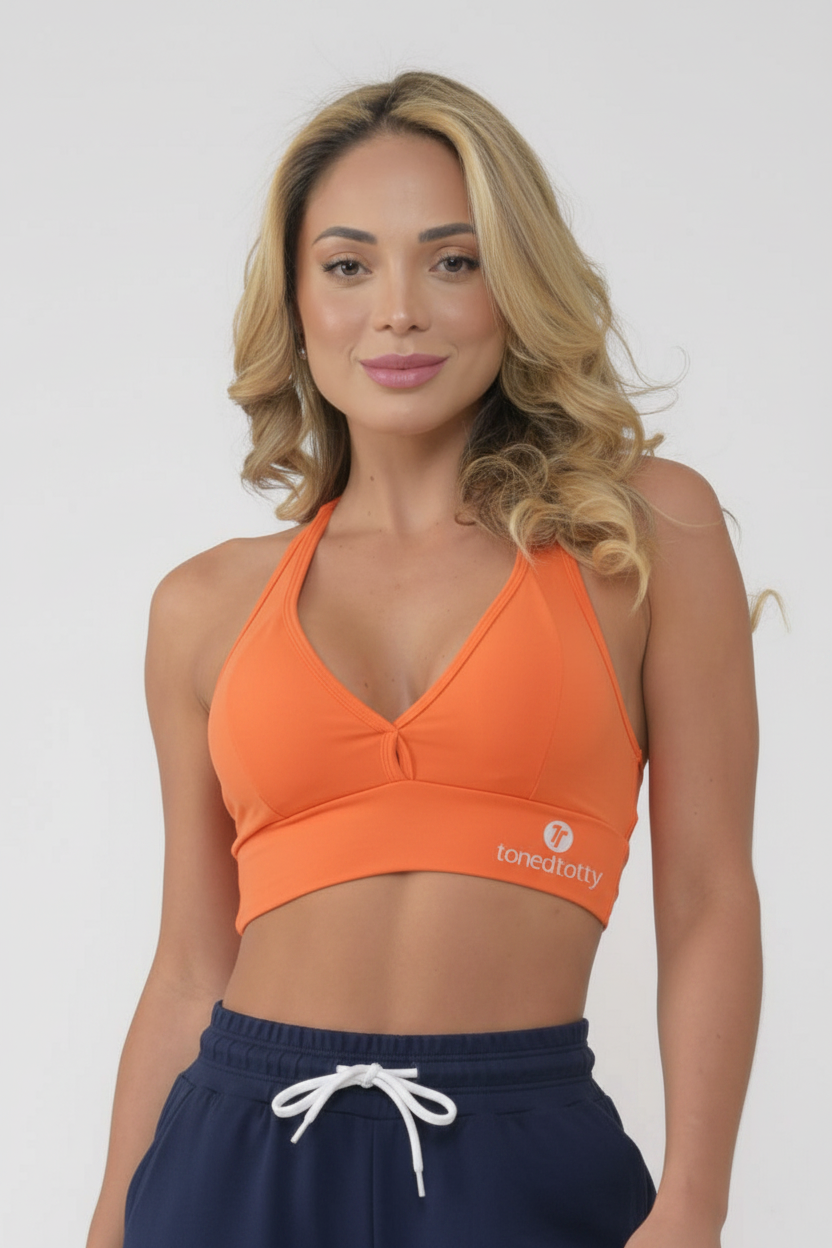
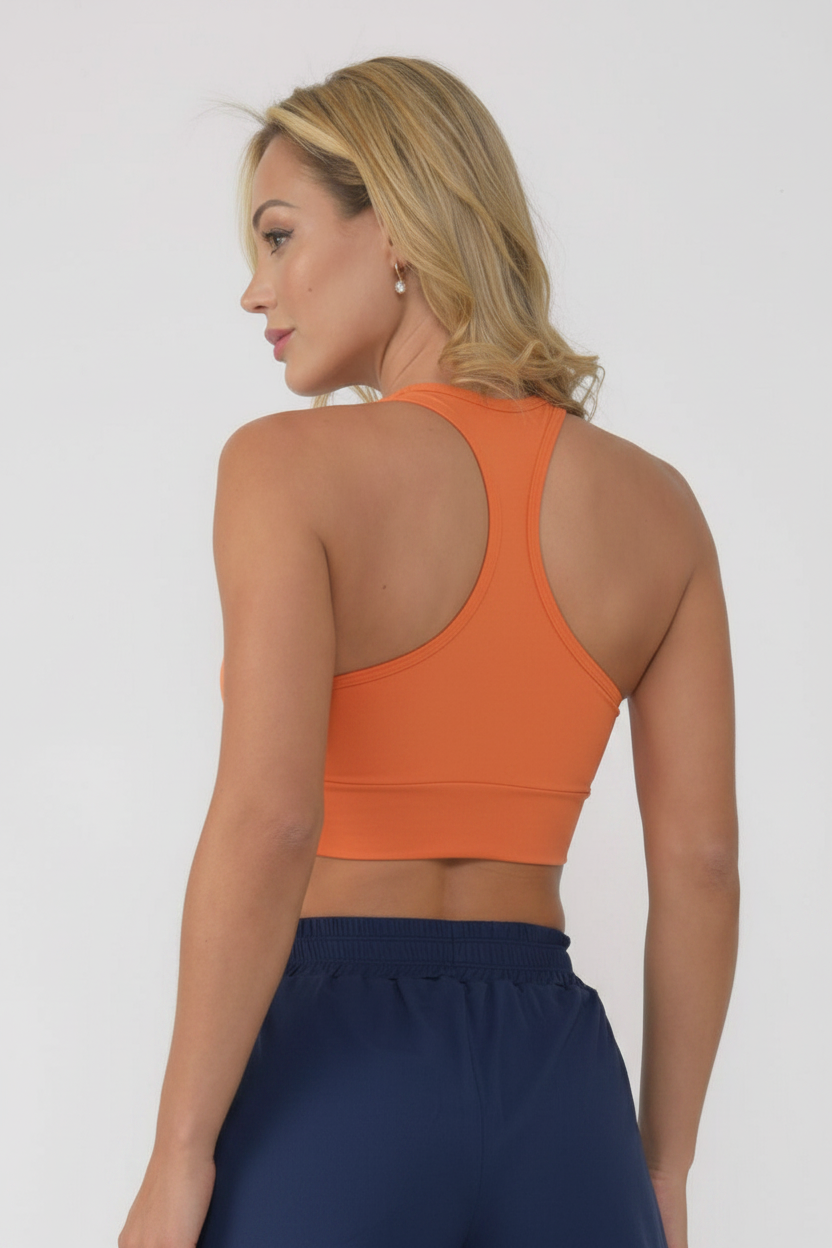






Padded vs Non Padded Sports Bras Compared
- by Admin

The right sports bra should be the last thing on your mind once your workout starts. Yet the padded vs non padded sports bras question can make a real difference to how supported, sculpted and confident you feel - whether you are lifting heavy, flowing through Pilates or styling your set for coffee after class.
There is no single winner. A padded sports bra can bring shape, coverage and a more polished finish, while a non-padded style often feels lighter, more natural and less restrictive. Your ideal choice comes down to your activity, your preferred fit and how you want your activewear to look beyond the gym.
Padded vs Non Padded Sports Bras: The Key Difference
Padding refers to soft, moulded cups or removable inserts inside a sports bra. These create a smoother silhouette and add an extra layer between your body and the outer fabric. Non-padded sports bras skip this layer, relying on their fabric, cut and underband construction for support.
That distinction sounds simple, but it changes the feel of the bra. Padding can give a more defined shape under a fitted gym top, jumpsuit or zip-through jacket. Non-padded designs tend to feel closer to a second skin, particularly when made from premium, soft-touch performance fabrics.
Neither option automatically offers more support. Support comes primarily from the bra's fit, band, straps, fabric recovery and overall construction. A beautifully designed non-padded compression bra can feel seriously secure, while a padded bra with a loose band will not do the job when the pace picks up.
Why Choose a Padded Sports Bra?
A padded sports bra is often the confidence piece in an activewear wardrobe. It creates a smooth, balanced shape and gives added coverage, especially beneath lighter colours or close-fitting layers. For women who prefer not to worry about visible outlines in a chilly studio, it is an easy choice.
Shape that holds its own
Moulded or lightly padded cups can enhance the natural shape of the bust without creating an overly structured look. The effect is polished rather than pushed-up: think sculpted, supported and ready to wear as a top in its own right.
This matters when your activewear is part of the outfit, not just the kit. A padded longline bra paired with high-waisted leggings can look intentional enough for brunch, errands or travelling, while still being built for training.
Extra coverage when you want it
Some days, you simply want more coverage. Padding adds a discreet layer that can help you feel more comfortable in fitted sets, thin performance fabrics and pale shades. It can also make a sports bra feel more substantial when worn without an additional top.
For lower-impact workouts such as yoga, barre and Pilates, a padded bra with a flattering neckline can be all you need. It gives you freedom to move while keeping the look sleek and put together.
A useful option for asymmetry
Removable pads can be practical if one side of your bust is naturally fuller than the other. You can keep both inserts in, remove one, or take them out altogether depending on the fit you prefer. Small adjustments can make a noticeable difference to how balanced and comfortable a bra feels.
There is a trade-off. Removable pads can shift in the wash, fold at the edges or bunch if the bra is too tight. If you love the finished look of padding but dislike dealing with inserts, look for bras with fixed moulded cups.
Why Choose a Non-Padded Sports Bra?
Non-padded sports bras are all about a lighter, more natural feel. Without inserts, there is less bulk, less drying time and often a more flexible fit. They are a strong choice for women who want their bra to move with them rather than create a particular silhouette.
Less bulk, more freedom
For hot yoga, conditioning sessions and warmer-weather runs, fewer layers can feel like a relief. A non-padded bra allows the fabric to sit directly against the body, which can feel cooler and more streamlined during high-sweat sessions.
It is also a favourite for anyone who finds cups restrictive or unnecessary. If you have ever spent half a workout adjusting a pad that has moved out of place, the appeal is obvious.
A naturally flattering finish
Non-padded does not mean unstructured or unsupportive. A well-cut sports bra with a secure underband, high-recovery fabric and thoughtfully placed seams can flatter beautifully without foam cups. The result is often understated, athletic and effortless.
This style works especially well when you prefer a minimal aesthetic. A clean racerback, square neck or longline silhouette can still make a statement, particularly when paired with sculpting leggings and a fitted jacket.
Easier care and quicker drying
Without removable pads, laundry is simpler. There are no inserts to take out, reshape or hunt down at the bottom of the wash bag. Non-padded bras also tend to dry faster, which is helpful when your favourite gym set is in constant rotation.
Match Your Sports Bra to Your Workout
Your training style should guide the decision more than trends do. For low-impact movement, both padded and non-padded designs can work brilliantly. The focus should be on comfort, a secure underband and straps that stay in place through every stretch, twist and transition.
For strength training, choose the finish that makes you feel most focused. If extra coverage helps you train with confidence in the weights area, padding may be worth it. If you want a barely-there feel under a loose vest or oversized tee, non-padded may suit you better.
For running, HIIT and other high-impact sessions, support is the priority. Look for a supportive fit with a firm but comfortable band, wider straps or a stabilising racerback, and performance fabric that retains its shape. Padding is optional here. It may add coverage and shape, but it should never compromise fit, breathability or bounce control.
Fit Matters More Than Padding
A padded sports bra that looks incredible on the hanger can still be wrong if the band rides up, the straps dig in or the cups gape. Equally, a non-padded bra should not feel loose across the bust simply because it has a softer construction.
Start with the underband. It should sit flat and secure around your ribcage without pinching or rolling. Most of the support comes from this area, so it needs to feel firm. If you can easily pull it far away from your body, try a smaller band size or a more supportive style.
Next, move. Lift your arms, twist your torso, squat, jog on the spot and take a deep breath. The bra should stay in place without rubbing, shifting or making you feel held back. A great fit lets you forget about it - while still making you feel amazing in the mirror.
If you are between sizes, your bust shape can help make the call. Padded cups may feel more precise and less forgiving, while a non-padded stretch style may accommodate small fluctuations more comfortably. Always prioritise a smooth, secure fit over squeezing into a smaller size for extra compression.
The Best of Both: Removable Pads
If you cannot decide, removable padding gives you options. Wear the pads when you want extra coverage for a studio class or a fitted co-ord, then remove them for relaxed training or lounging. It is two looks from one essential piece.
Just remember that removable pads are not always equal. The best inserts hold their shape, sit smoothly and stay put through movement. Wash the bra gently, remove the pads first where possible, and reshape them while damp to help them keep their finish.
Choose the Bra That Makes You Feel Unstoppable
Padded sports bras offer a sculpted, covered and fashion-forward finish. Non-padded styles deliver a lighter, natural feel with less fuss. Both deserve a place in a well-styled activewear drawer, because your needs can change with your workout, outfit and mood.
Build around the feeling you want when you get dressed: supported for a run, free for a flow, or polished enough to take your set from the gym to the street. The best sports bra is the one that keeps up with your movement and makes you stand taller while doing it.


