




Gym Wear vs Athleisure: What’s the Difference?
- by Admin
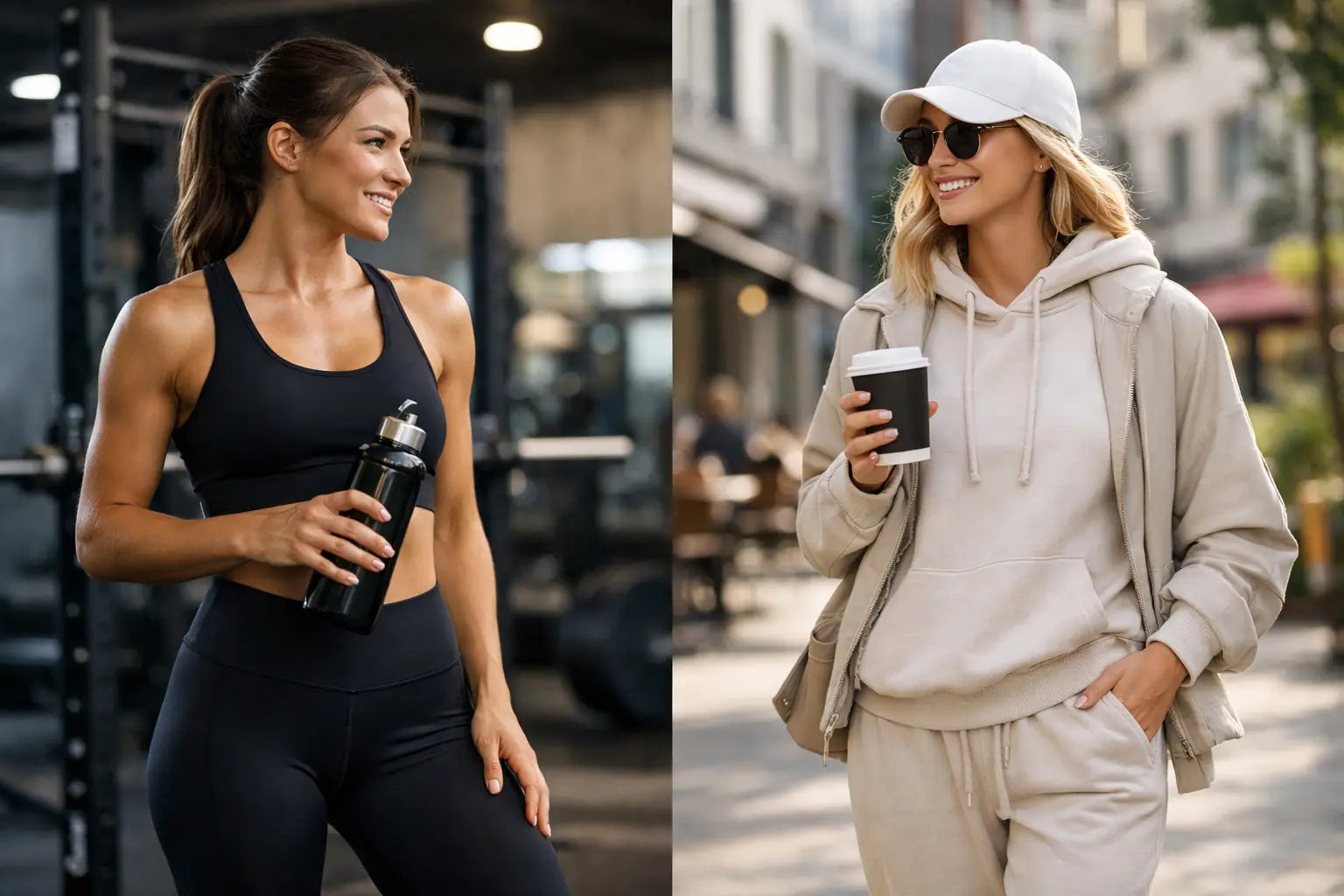
That 7am reformer class, a coffee stop afterwards, then a quick dash into town - this is exactly where the gym wear vs athleisure question starts to matter. If your outfit needs to stretch, sculpt, support and still look polished once the workout is done, the difference is not just fashion terminology. It changes how you shop, how your clothes feel on, and how often you actually wear them.
For most women, the line between the two has blurred. That is not a bad thing. In fact, it is why premium activewear has become such a wardrobe staple. But gym wear and athleisure are not interchangeable in every situation, and knowing where one ends and the other begins makes it much easier to build a collection that genuinely works.
Gym wear vs athleisure: the core difference
Put simply, gym wear is designed first for performance. Athleisure is designed first for versatility and style, with comfort and movement still built in. Both sit in the same world, but they serve slightly different priorities.
Gym wear usually focuses on technical features that support exercise. Think sweat-wicking fabrics, compressive fits, squatproof leggings, supportive sports bras and tops that stay in place when you train. Every detail tends to be there for a reason - to help you move, stay comfortable and feel secure.
Athleisure takes that sporty foundation and gives it a more styled, everyday finish. It is what you reach for when you want the ease of activewear but the look of an outfit. A sleek jumpsuit, sculpting flares, a fitted jacket, a matching set with clean lines - these pieces are made to work beyond the gym floor.
The real shift is intention. If you are dressing for training, gym wear leads. If you are dressing for life with a sporty edge, athleisure usually wins.
Why the difference matters when you shop
If you have ever bought leggings that looked amazing but slipped during a workout, or a sports bra that felt supportive but not quite right for all-day wear, you have already felt the gap between these categories.
Shopping without knowing what you need often leads to a wardrobe full of almost-right pieces. They may flatter. They may perform. But they do not always do both.
That is why the best collections now sit where sport meets fashion. Women are no longer choosing between looking good and feeling supported. They want leggings that sculpt and stay opaque under pressure. They want tops that feel breathable in a class but still look elevated with an oversized jacket afterwards. They want pieces that justify their place in the wardrobe, not just the wash bag.
What defines true gym wear?
Great gym wear earns its place during movement. It should feel secure, flattering and distraction-free. If you are constantly pulling up your waistband, adjusting straps or wondering whether your leggings are see-through, the piece is not doing its job.
Fabric is the first thing to look at. Performance-led gym wear tends to use materials with stretch recovery, moisture management and enough density to smooth and support. Premium fabric matters here because it changes the fit completely. It can mean the difference between light support and real sculpting, between leggings that bag at the knees and leggings that hold their shape.
Fit is just as important. The best gym wear is cut to move with the body. High-rise waistbands, contouring seams, supportive underbands and compressive finishes all help create that locked-in feeling without making you feel restricted.
Then there is purpose. A low-impact yoga set does not need the same support as an outfit for HIIT or running. That is where gym wear becomes more specific. Some pieces are built for stretch and softness. Others are built for support, hold and performance under pressure. It depends how you train.
What makes athleisure different?
Athleisure is where activewear becomes part of your everyday style. It still leans on comfort and stretch, but the finish is usually more fashion-led. The silhouette matters more. The styling matters more. The pieces are chosen not only for how they perform, but for how they pull an outfit together.
This is why details make such a difference. A clean waistband, a flattering flare, a smooth matte finish, a fitted zip-through jacket or a beautifully cut all-in-one can instantly shift a look from gym-ready to street-ready. Athleisure should still feel easy to wear, but it carries more polish.
The best athleisure pieces also tend to be the ones that do not shout sportswear. They nod to it. A sculpting legging in a luxe fabric, for example, can work with trainers and a sweatshirt in the morning, then with a long coat and accessories later on. That flexibility is the whole appeal.
Gym wear vs athleisure in real life
This is where things get more interesting, because most wardrobes need both.
If you are lifting weights, running, boxing or doing any workout where support and coverage really matter, gym wear should be the priority. You need fabrics that stay put, bras that actually support, and leggings that can handle every squat, stretch and stride. Style still matters, of course, but performance has to come first.
If your day includes a walk, errands, brunch, travelling or working from home with a Pilates class in between, athleisure often makes more sense. You still want comfort and shape, but you may prefer softer support, more elevated cuts and pieces that blend more naturally with the rest of your wardrobe.
And then there is the sweet spot - activewear designed to do both. This is where premium brands have changed the game. A well-made sculpting set can absolutely carry you from a session to the street if the fabric, fit and finish are right.
How to tell if a piece can do both
Not every item crosses over well. Some gym wear looks too technical for everyday styling. Some athleisure looks chic but lacks enough support for serious training. The trick is knowing what signs to look for.
A piece that works in both worlds usually has a few things in common. The fabric feels premium rather than flimsy. The fit enhances the body rather than simply covering it. The colour palette is easy to style. The design is clean, with enough shaping to feel flattering and enough performance to feel secure.
This is where details like squatproof fabric, sculpting compression and smooth, body-enhancing cuts come into their own. They are not just product claims. They are what allow a legging or top to keep up with movement while still looking pulled together outside the gym.
Supplex and other premium performance fabrics are especially strong here. They offer that soft, second-skin feel women love for everyday wear, while still giving the durability and hold needed for training. That balance is exactly why some pieces become favourites and others end up forgotten.
The styling difference
One of the easiest ways to understand gym wear vs athleisure is to look at how each category is styled.
Gym wear styling is usually functional. Matching sets, supportive bras, training jackets and performance leggings are put together with movement in mind. The result can still look incredibly polished, but the outfit starts with what you are doing.
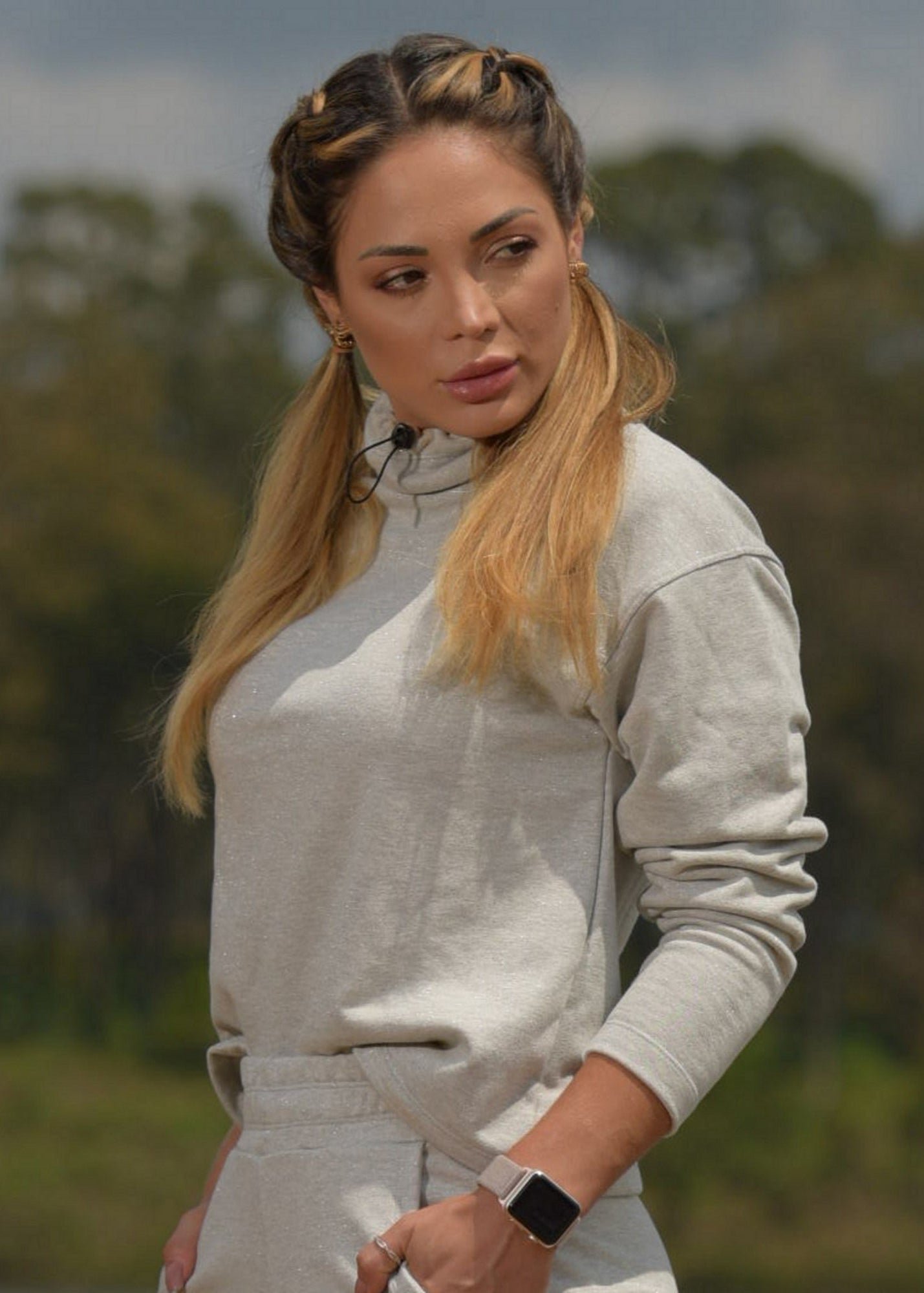
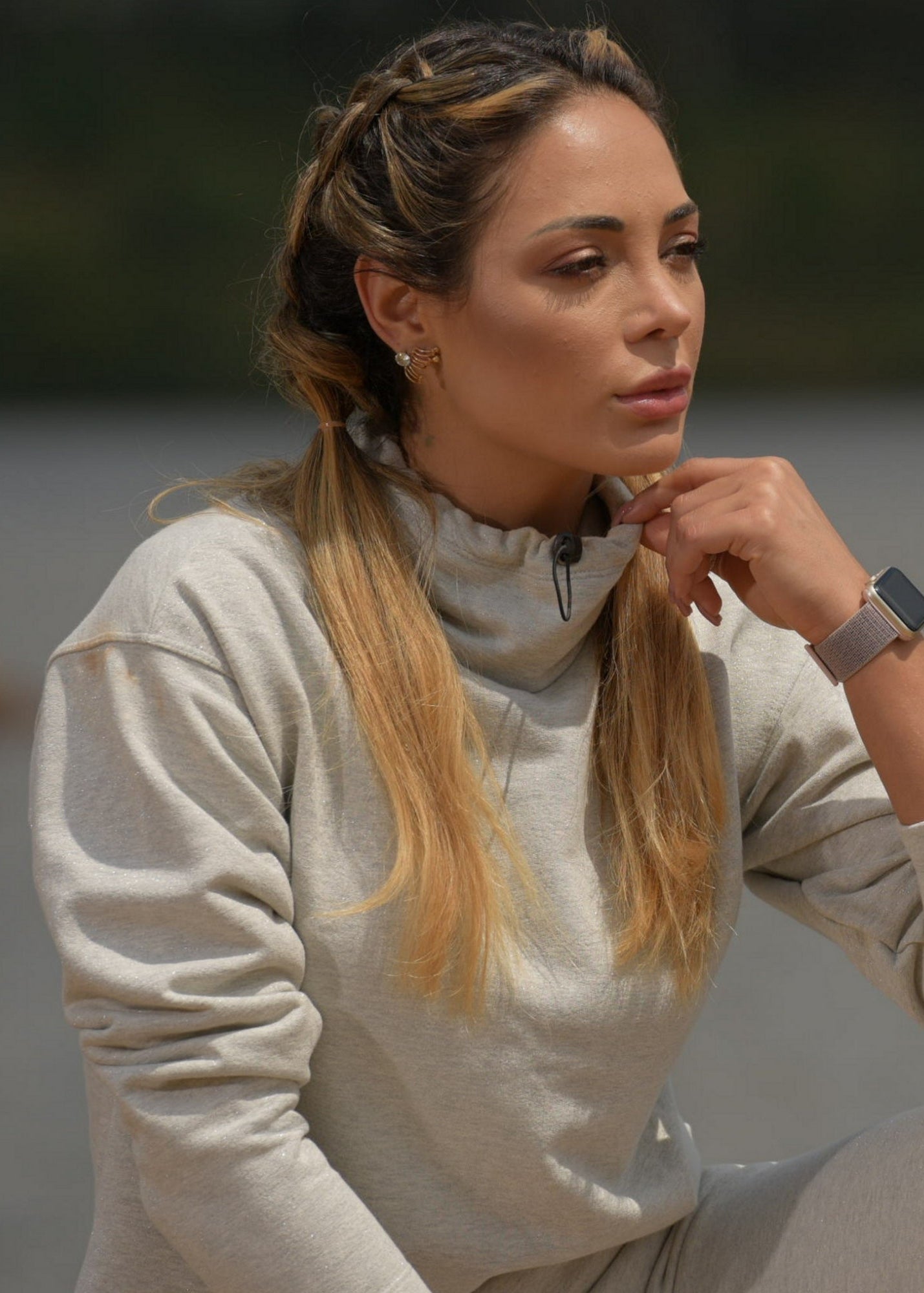
Athleisure styling starts with how you want to look and feel across the day. The same leggings might be paired with an oversized blazer, a cropped knit, a cap or a sleek coat. A fitted jumpsuit might be dressed up with layered outerwear and minimal accessories. It is still rooted in comfort, just with a more directional edge.
That is why fashion-conscious shoppers are often drawn to pieces with a clean silhouette and a sculpted fit. They work harder. You get the comfort of sportswear without losing that put-together finish.
So, which one should you buy?
If your wardrobe is doing one job only, choose according to that job. For dedicated training, invest in gym wear that performs properly. For off-duty dressing, go for athleisure pieces with shape, quality and styling power.
But if you want better value from your wardrobe, focus on crossover pieces first. Think leggings that are supportive enough for training but refined enough for everyday wear. Think sports bras and tops that flatter under layers. Think jackets, shorts and jumpsuits that move well and still feel elevated.
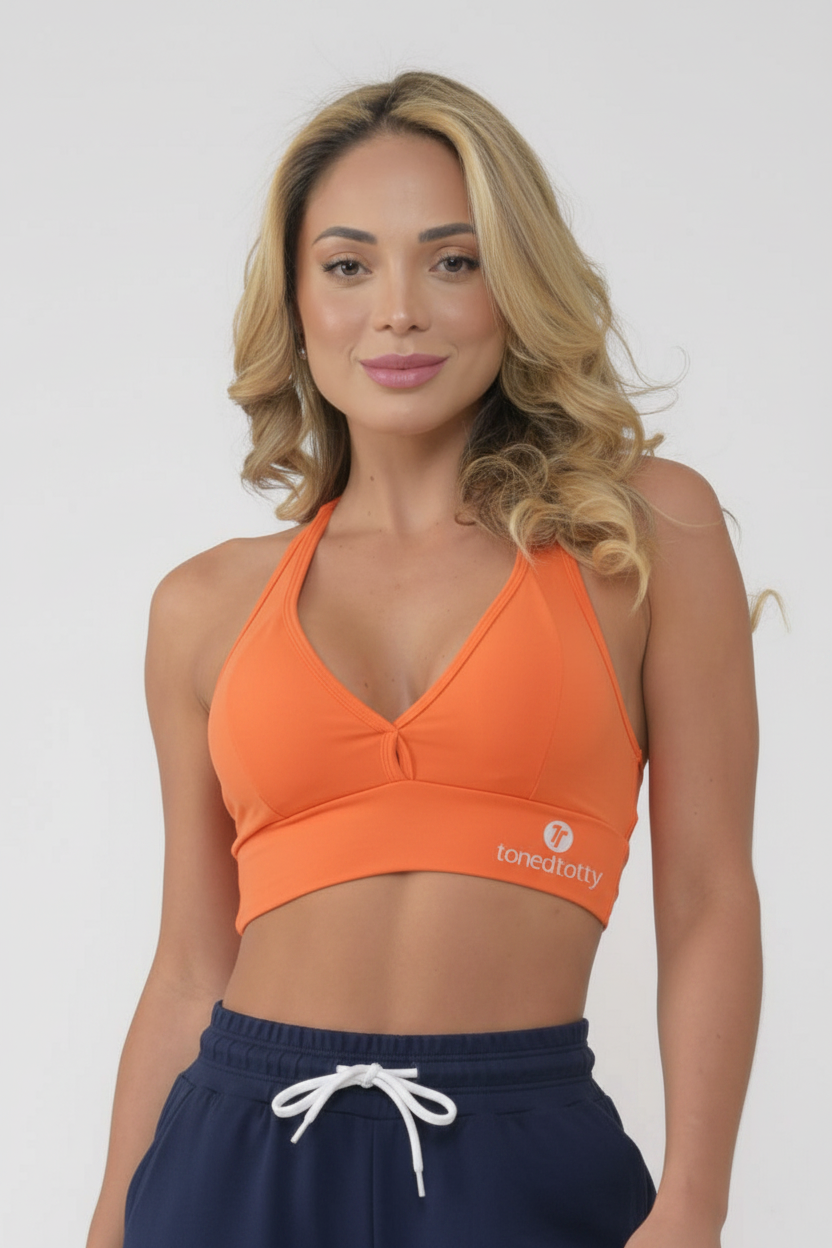
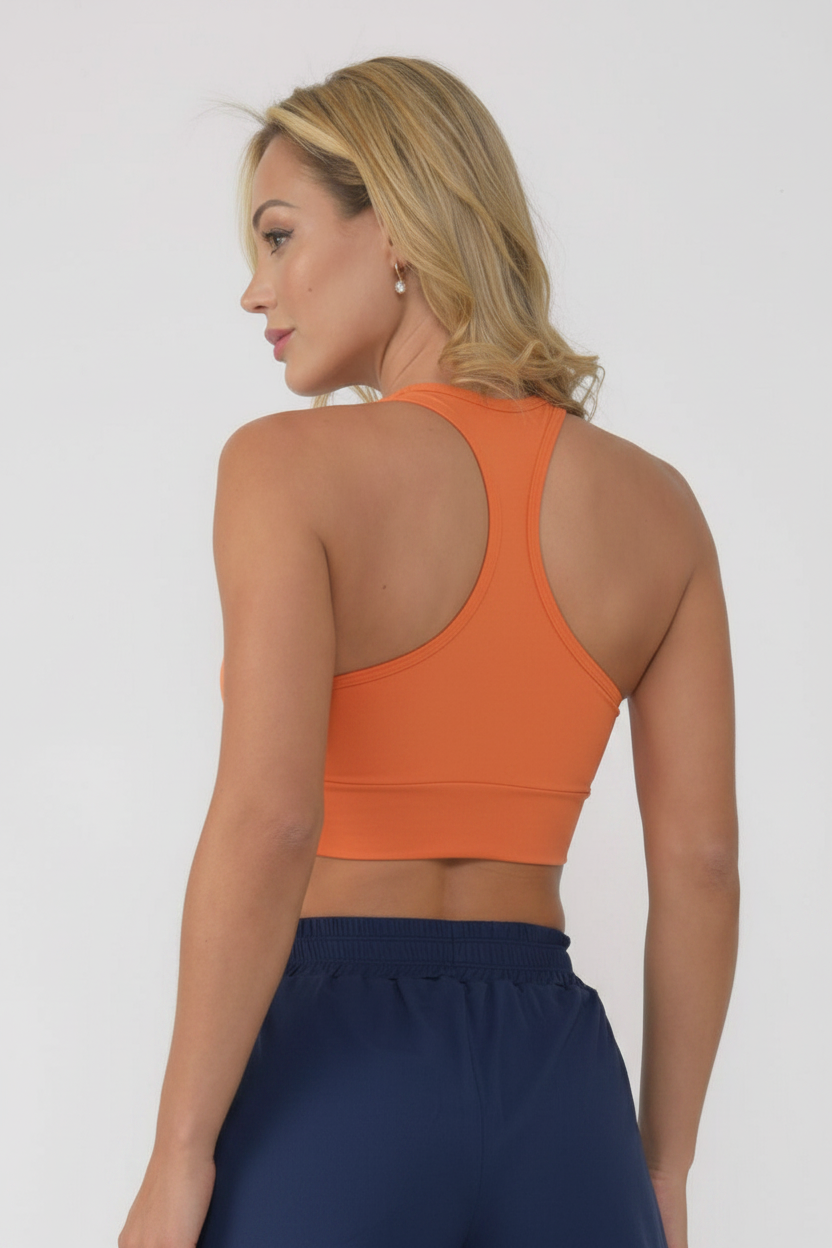
This is where a fashion-led activewear brand really comes into its own. Toned Totty, for example, sits in that sweet spot - premium gym clothing with the confidence, sculpting fit and street-ready finish that makes each piece feel bigger than one moment of wear.
The smarter question is not whether gym wear or athleisure is better. It is what your week actually looks like, and whether your wardrobe is keeping up. If your clothes can support the workout, flatter your shape and still look sharp long after you have left the studio, you are choosing well.
Wear the pieces that make you feel strong, held-in and completely yourself - because the best activewear never asks you to pick between performance and style.


